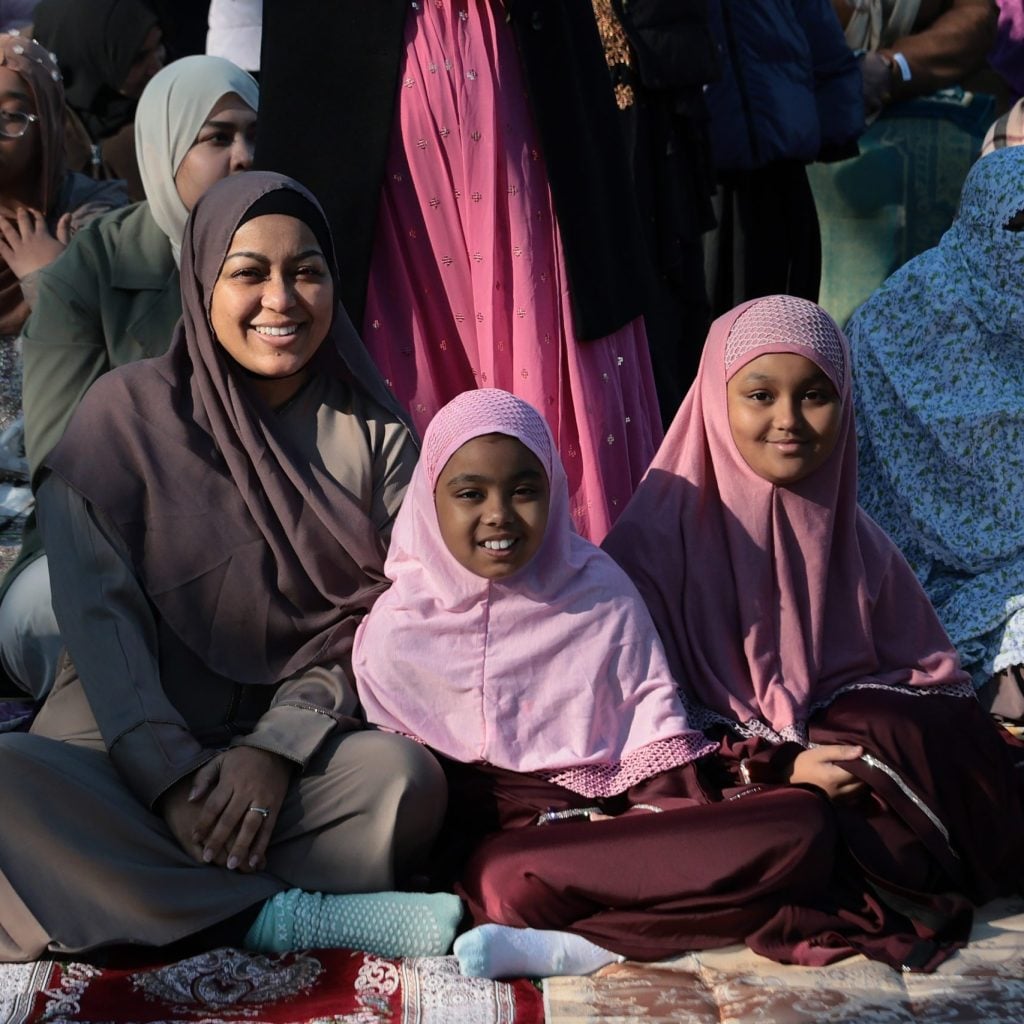
(USA Today) CHICAGO — In one of our kitchens, we just approached the end of Ramadan and the celebration of Eid al-Fitr. In another, we are scouring for wayward crumbs and grains ahead of the start of Passover. Our Christian neighbors, meanwhile, are observing Lent in the lead-up to Holy Week and Easter.
There is a lot we could be connecting about during this shared season of reflection and ritual, starting with fasting and food-based rituals to themes of liberation, gratitude and the importance of family traditions. We could swap stories about our shared love of Chicago’s renowned Romanian salami (both kosher and halal) or the beauty and challenges of engaging our kids in our respective religious rituals.
But this spring, America’s Jewish and Muslim communities are navigating the holidays with a sense of fear and trepidation, especially after recent attacks on a Michigan synagogue and an Arizona mosque. Those fears are all too real for us as moms who routinely ferry our children to our houses of worship. Will they be safe in what should be the safest of safe spaces?
Read the piece in USA Today.
Join our network today!
Get media, funding opportunities, events, and resources from Interfaith America in your inbox.