How to Plan an Interfaith Meal in 6 Easy Steps
November 23, 2022

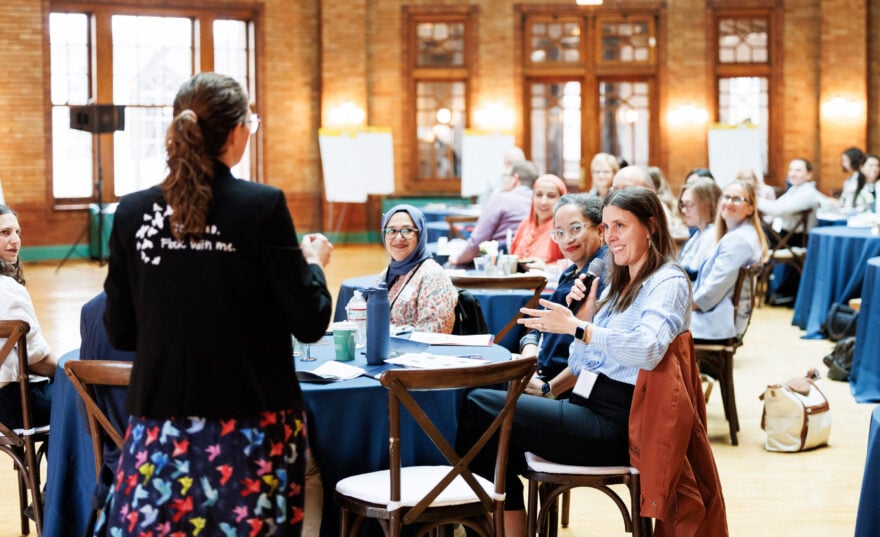
When I plan an interfaith dinner, I start by thinking about the goal of my event. Once I have a vision, I work through logistics, plan outreach, and get to programming! The following steps are my attempt to share what I’ve learned:
1. Determine your purpose (Why)
Why do you want to host a dinner? What do you want participants to experience, learn, and feel? When planning, ask yourself, “is this aligned with the purpose of my event?” Take a minute to close your eyes and visualize what your ideal event looks like.
Advice: Share your vision with your guests in advance so that they know what to expect. If they should expect the unexpected, then make sure to communicate that too!
2. Date & Location (When and Where)
When and where will your event take place? Ask your guests about conflicts and consider religious holidays. Check your space to make sure guests can move and hear comfortably. Share clear directions to the event and a timeline of your program with guests.
Advice: Encourage people to move around periodically during the night and say hi to someone new!
3. Programming (What)
What activities can help your guests experience the purpose of your event? Will they happen before, after, or during dinner? Consider programs from Interfaith America. Lead a conversation session. Brainstorm your own ideas, talk to friends, and don’t be afraid to try something new!
Advice: Hungry crowd = disengaged crowd. Provide snacks if programming pre-dinner!
4. Outreach (Who)
Invite at least 1-2 people who can help support you emotionally and logistically. Do your best to build individual relationships with attendees before the event. A person you’ve spent one-on-one time with is a heck of a lot more likely to attend!
Send multiple reminders in group form and individually (week before, day of, etc.). Consider racial and spiritual diversity. If your event will be predominantly composed of one identity, give attendees in the minority a heads up.
Advice: Be mindful of cliques and lone wolves during the event. As the host, you have the power to push people out of their comfort zone and facilitate new friendships.
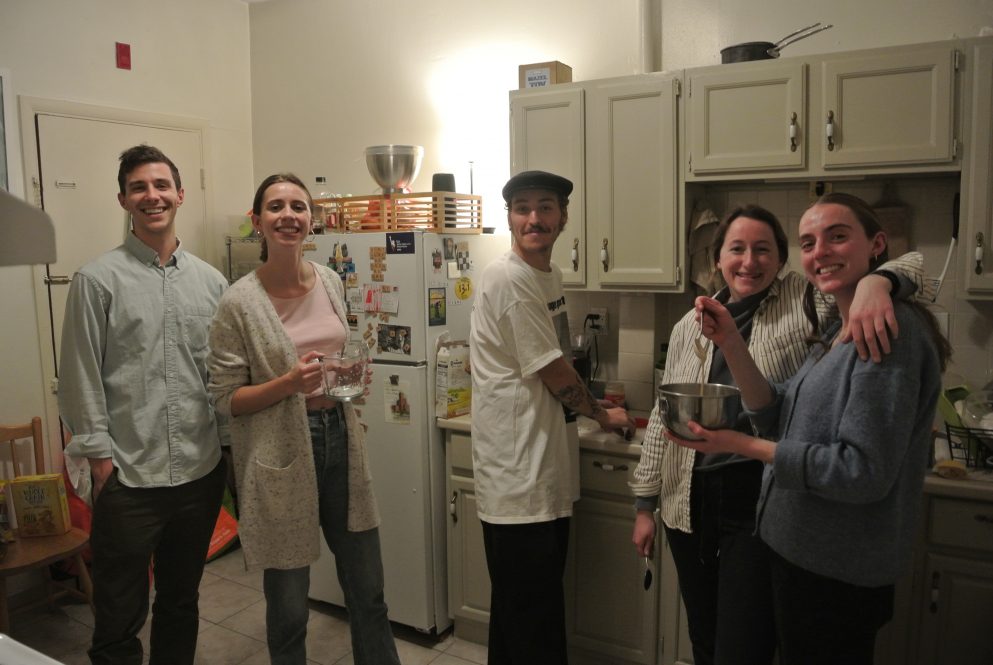
November 18, 2022: Shabbat cooking crew gathers at Matthew’s Massachusetts home and assembles a tasty meal! Courtesy photo
5. Run it! (How)
Prepare your space and materials a day or more in advance. Coming to the event prepared means you can focus on being present.
Focus on your strengths and delegate your areas of growth. Don’t be afraid to ask participants to take on a leadership role (cooking team, song-leading, event photographer, clean-up crew, etc.).
Give people a reason to be invested. When guests have invested their own energy into an event, you can bet that they’ll show up at game time!
Advice: Timing food and programming can be tricky. Make sure to plan your grocery shopping, prep, and cook time in advance. If you’re ordering, make sure to call ahead.
6. Reflect!
Immediately after the event write down your reflections and thoughts. Revisit this the next day to edit and add on.
Seek feedback from trusted sources; challenge yourself to be open to new ideas.
Advice: Before you host your next event, look through your last reflections. You might be surprised how much they can help!
Lastly, please check out and use any of my Interfaith Dinner Planning Templates! Hosting interfaith meals has brought me so many wonderful memories, and I hope you too are able to experience this joy for yourself. If you’d like to talk about an event idea, reach out to me.
To learn more about the interfaith meals Matthew has hosted, read “Welcome to the Table: Why I Love Hosting Interfaith Meals.“
Matthew Segil is a middle school math and science educator in Massachusetts for over four years. During his time as a teacher, he’s invited colleagues to his house for interfaith dinners centered around the Jewish practice of Shabbat. As an interfaith leader, it is his goal to build an inclusive community focused on education, joy, and cultural exchange. Connect with Matthew on LinkedIn.