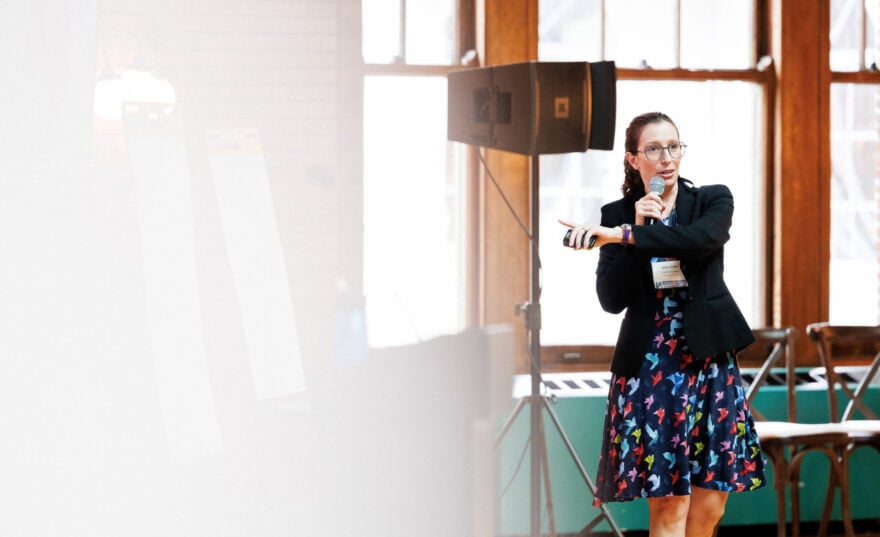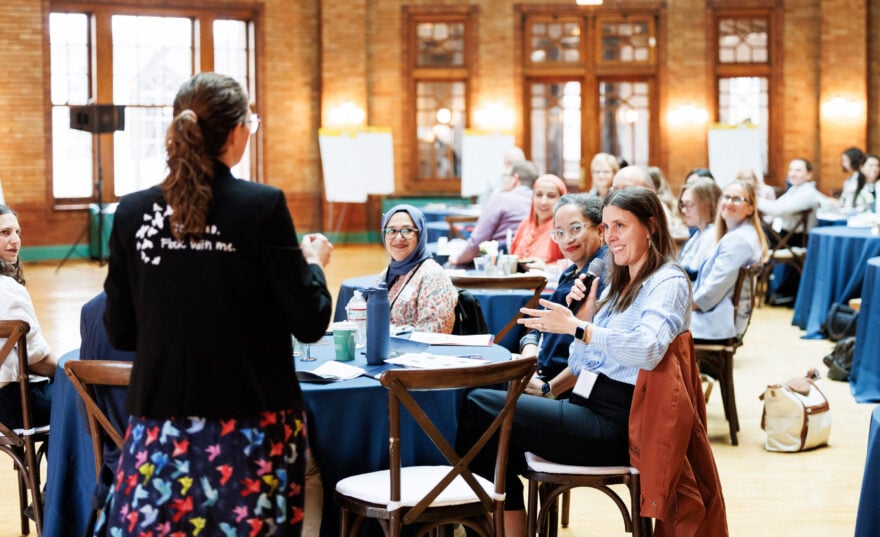
In a special effort to bridge cultural and generational divides across Iowa, Jeevanjot “JJ” Singh Kapur, a doctoral student in counseling psychology at the University of Iowa, spearheaded a digital storytelling project with the support of CultureALL, a West Des Moines-based non-profit dedicated to fostering connections through storytelling.
The project, part of CultureALL’s “Open Book” initiatives, aimed to transcend stereotypes by transforming people into “books” and readers into active participants in their stories. While “Open Books” facilitate intimate conversation circles, Kapur introduced “E-Books,” multimedia narratives featuring pivotal life moments, enhanced by music, images, and digital storytelling tools.
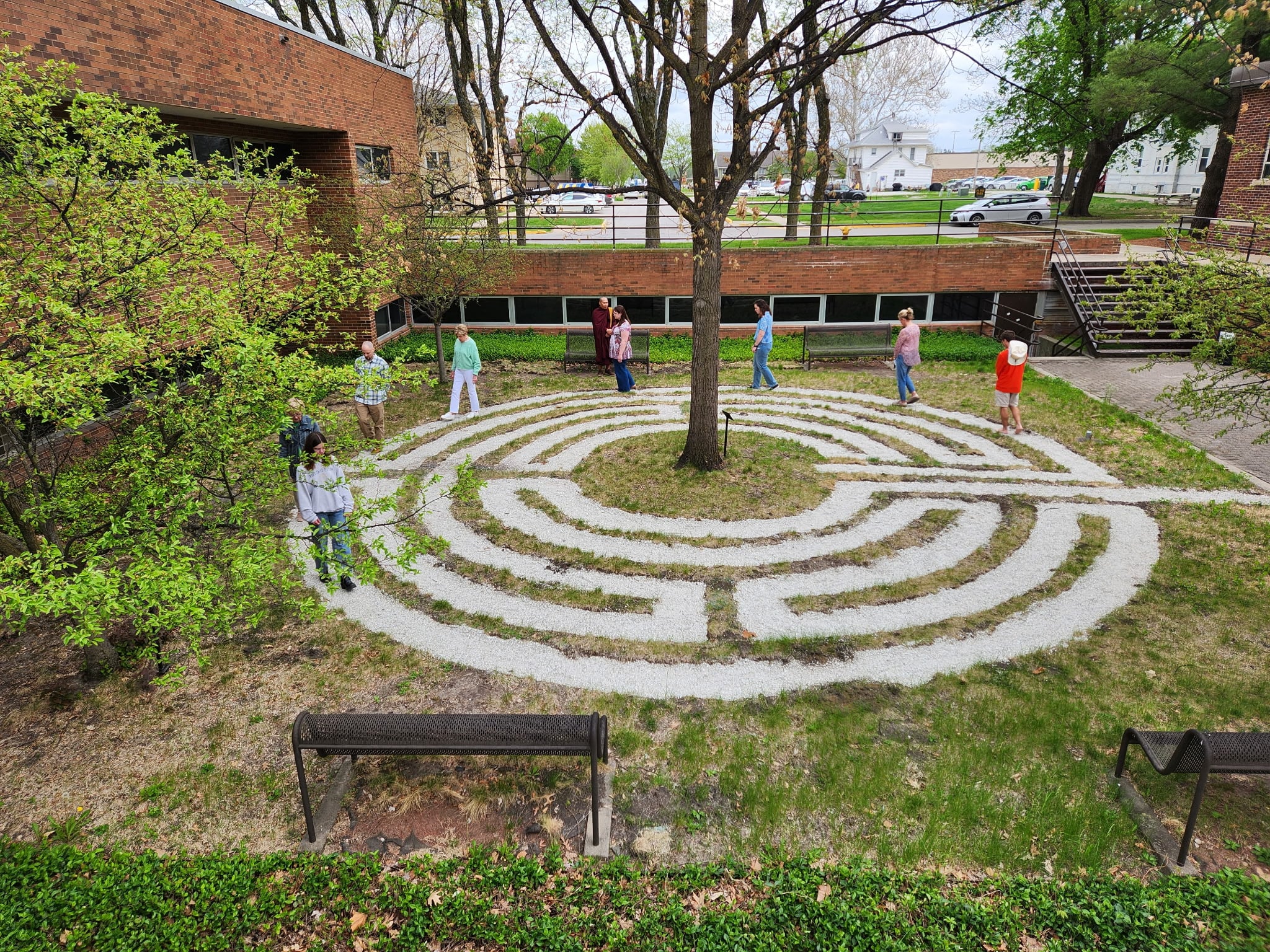
Kapur’s journey began at an AmeriCorps retreat, marking the completion of his first year with the fellowship. After meeting another fellow from Iowa, he shared his digital storytelling idea. The fellow recommended Scattergood Friends School, a progressive Quaker boarding school that might be interested. Kapur also learned about the Iowa Yearly Meeting Conservative (IYMC), a Quaker network that funded the school but felt disconnected from the youth. Considering the vast and overwhelming landscapes of rural and urban Iowa, this presented the perfect opportunity for Kapur to implement digital storytelling, an accessible form of storytelling, to not only bridge the cultural and generational divides, but also the geographical ones.
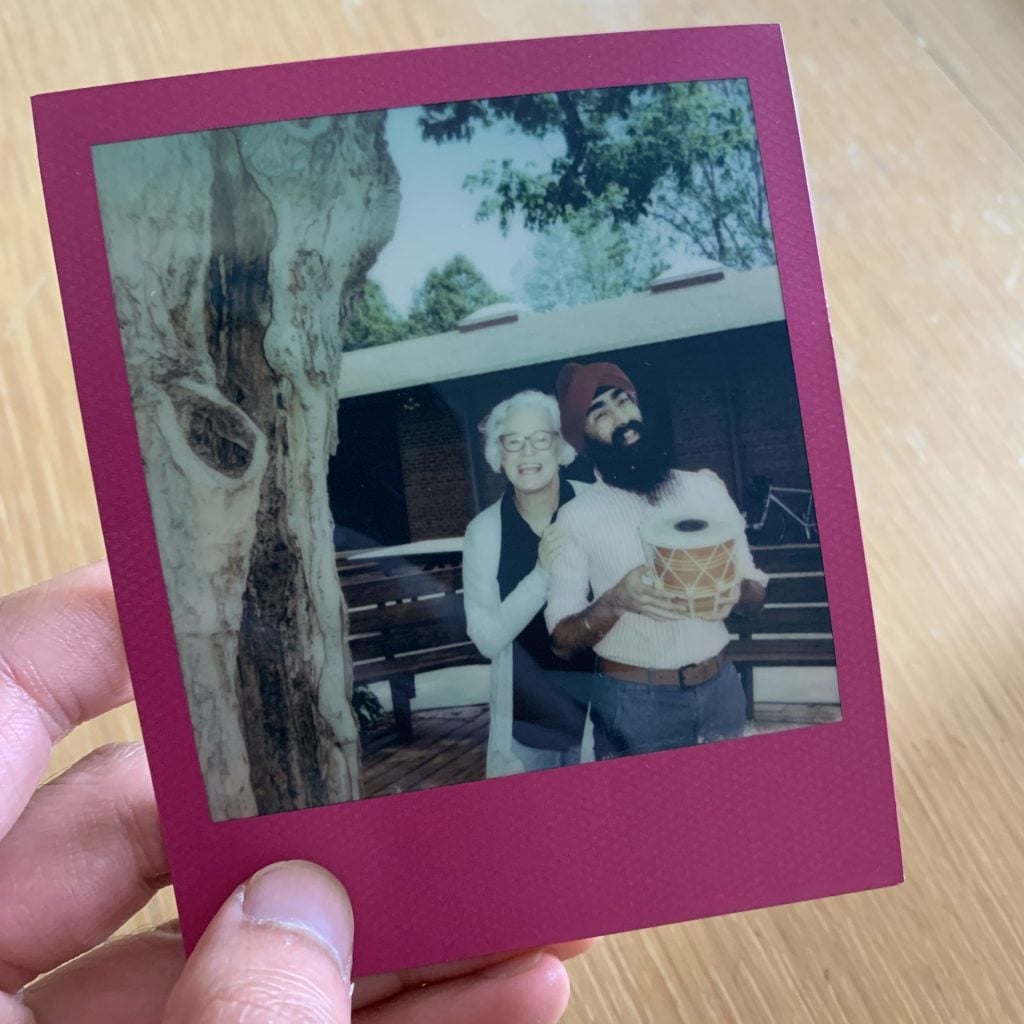
At Scattergood Friends School, the May term class titled “The Danger of the Single Story,” inspired by Chimamanda Ngozi Adichie’s TED talk, allowed students to dissect the “single story” of their own and others’ lives using digital storytelling. Students were tasked with creating two E-Books: one about their own life and another about a Quaker, who Kapur paired based on shared interests such as singing or spirituality. These thoughtful pairings allowed for deep, meaningful exchanges that transcended superficial differences. “The process of working on another person’s story allowed Scattergood students and adult Quakers an intergenerational experience. The Scattergood community will be able to use the stories to foster community and belonging,” shares Karen Downing, Project Coordinator for Open Book at CultureALL and co-facilitator of the class.
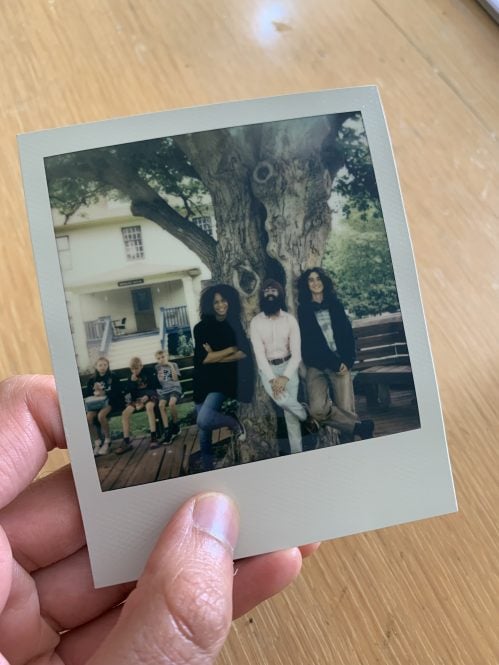
Not only did the class teach these students how to craft narratives that explore identity, cross-cultural connections, and communication, it also taught them to approach difference with curiosity and empathy. “The students were meaning-making together — sharing vulnerable parts of themselves and being receptive to receiving feedback on how to make their inner world legible to the outer world,” Downing reflects. Additionally, Kapur emphasized the “digital” component of digital storytelling to help students enhance their storytelling abilities.
For instance, one student was hesitant to edit his own story due to discomfort with his voice while taking testosterone. Using Descript’s AI-based editing software, Kapur enabled the student to edit his story without hearing his voice, alleviating the student’s anxiety and allowing him to fully engage in the storytelling process.
For Kapur, teaching this class was transformative. As a Sikh man leading this project among Iowans and Quaker communities, Kapur drew on his experiences of feeling “othered” and sought common ground with the participants. “I don’t know what it is like to work in a rural Iowa farm or to have a farm passed down to me from another generation, but I recognize that my Punjabi heritage is rooted in farmland. It’s rooted in agriculture. For me, this class was a practice of seeing myself reflected in someone else,” he shares.
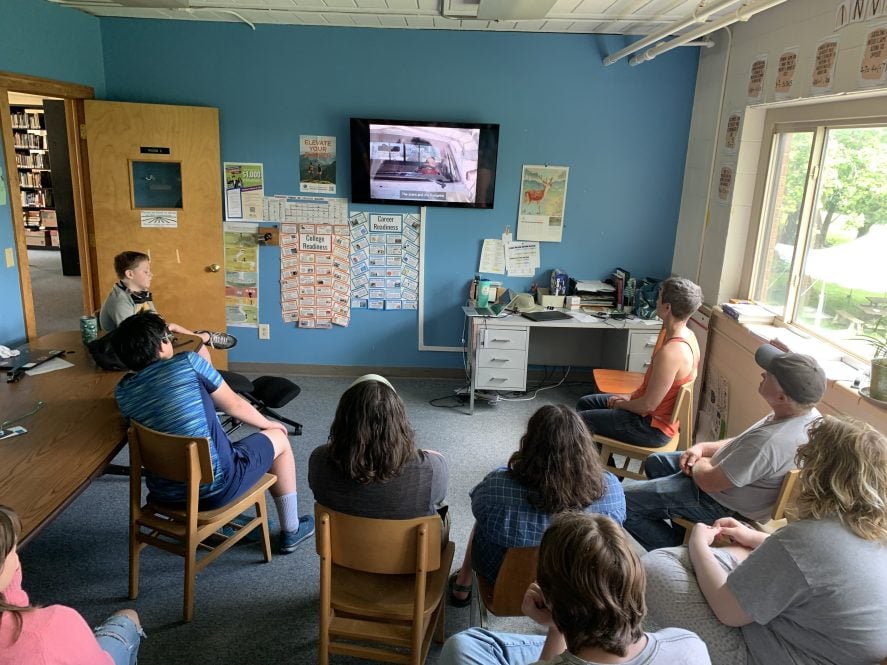
Kapur concluded the project with a screening of the E-Books with the Quaker community on July 25, 2024 at Scattergood Friends School. “I’m really hoping to create intentional time, not only to share these wildly different digital stories juxtaposed next to each other, but for us to take a moment to reflect on what moved us” he shares when speaking about the screening.
Even though this project has come to an end, Kapur envisions digital storytelling to serve as a model for diverse Iowans to engage with one another. This project serves as a beacon for others seeking innovative solutions to bridge divides, highlighting how a thoughtful approach to technology and storytelling can create meaningful, positive change.
Suraj Arshanapally, MPH, is a storyteller and health communicator. He started The Multicultural Man to celebrate cultural diversity and healthy masculinity through storytelling. He is also the Managing Editor for the CDC Yellow Book, an international travel medicine publication at the Centers for Disease Control and Prevention. Suraj received his MPH in Social and Behavioral Sciences from Yale University. He believes multiculturalism and interfaith cooperation are crucial to building a healthy and peaceful society.
Suraj Arshanapally wrote this article in his personal capacity. The opinions expressed in this article are the author’s own and do not reflect the view of the Centers for Disease Control and Prevention, the Department of Health and Human Services, or the United States government.