Whenever I make the drive from Austin to San Antonio, I can feel the subtle shift between the two cities after passing the Buc-ee’s on I-35. Austin’s playful, quirky spirit creates its own distinct sense of belonging for locals – one that’s vibrant, creative, and uniquely “weird.” San Antonio offers a different expression of belonging, one that feels deeply rooted in its long cultural history and the stories that shape daily life. Both cities embody community in their own ways; they simply reveal it through different textures and traditions.
As a national staff member with the YMCA of the USA, I support local Ys across the country as they strengthen belonging and bridgebuilding in their branches and communities. Because my role is remote, I often travel to see this work firsthand, visiting sites as they implement new projects, learn from their neighbors, and create programs that bring people together. That is what brought me to San Antonio.
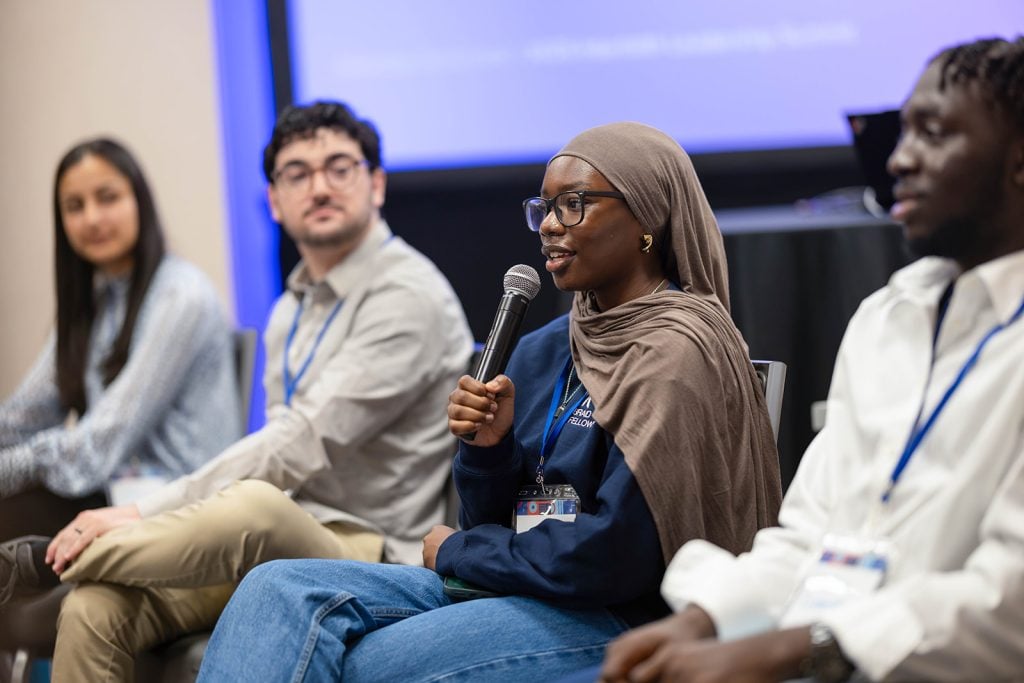
This past year, the YMCA of Greater San Antonio participated in the second year of the Team Up Project, a national partnership between Interfaith America, Catholic Charities USA, Habitat for Humanity International, and the YMCA of the USA. The collaboration champions bridgebuilding through service and supports communities in building connection across meaningful lines of difference.
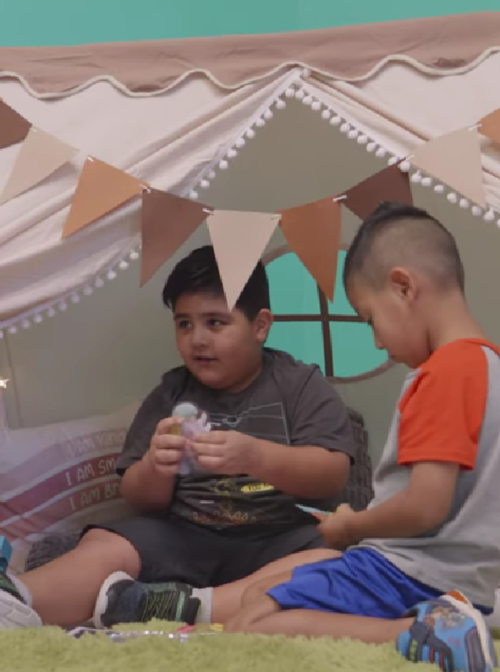
San Antonio was one of only 12 YMCAs from around the country selected for this work. Their Team Up project centered on building bridges between children of diverse abilities, a kind of bridging that is too often overlooked and especially important to support from a young age. To do this work, the San Antonio Y committed to transforming childcare spaces so that all children could learn, play, and grow together. Their partnerships included Morgan’s Wonderland, the University of Texas Health Science Center, and youth development specialists who helped train staff, redesign rooms, and invite caregivers into co-design.
When children of all abilities share space, they are able to learn to relate to each other.
Inclusion and bridgebuilding are deeply connected in this project. When children of all abilities share space, they are able to learn to relate to each other. Children can practice empathy, patience, flexibility, and cooperation. Families also build relationships across experiences they may not otherwise have shared. Through inclusion, bridging becomes a lived experience.
The event I attended at the Mays Family YMCA on September 13 was the culmination of months of listening and relationship-building. Families were not just guests in this process, they were co-creators, shaping the project from the start. While I watched families and kids of diverse abilities explore the new spaces, I saw reactions in real time. Caregivers pointed out how the “calming areas” would support their children and how flexible seating created options rather than limits. One parent shared relief at seeing a space where her child would not feel “othered.” Another noted that seeing children of varying abilities able to play together made her feel hopeful. These moments felt meaningful because they reflected the core purpose of bridging: helping people understand one another’s experiences and building community through that understanding.
Later that afternoon, some of us traveled to Morgan’s Wonderland, a theme park that was created so people of all abilities could participate in every attraction. The team shared the origin story of the park and walked us through wheelchair-accessible rides, sensory-friendly experiences, and adaptive recreation spaces. They explained how their design philosophy has shaped facilities across the country, including a YMCA in Minnesota, and how they collaborated with specialized vendors to make inclusive design the norm.
Watching families of all abilities enjoy the park together made the connection between inclusion and bridgebuilding unmistakable. When people participate together, they learn to understand one another’s lives. When they understand each other, they build connection. And connection leads to belonging.
Looking ahead, the San Antonio YMCA plans to continue this work with purpose. They are forming a family advisory group, expanding Morgan’s-led training for staff, and developing adaptive programming leadership at the association level. They are committed to bringing inclusive updates to additional branches and continuing to learn from the families they serve.
As I drove back to Austin, I reflected on what I witnessed When we listen deeply, when we build relationships with care, and when we allow families to shape the spaces their children will enter, we create environments that reflect the very best of America. . This belonging does not happen by accident. It grows through partnership, trust, and meaningful connection across difference. The San Antonio YMCA is showing what is possible when we lead with those values.
This is what the Team Up Project is about. And in San Antonio, it is already becoming something lasting.
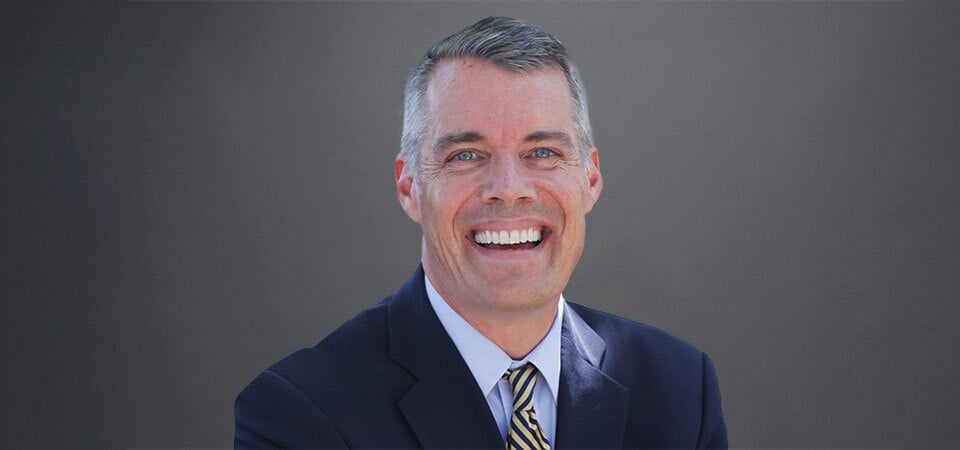
George Zavala is Manager, Community Bridging and Belonging, YMCA of the USA.