For Such a Time as This (Esther 4:14): Spiritual Practices to Ground & Center
Warfare, wildfires, transportation tragedies, and political rancor… We are living in times of what Amanda Ripley terms “high conflict.” How can our spiritual or religious practices help us steady ourselves and respond to these and other challenges as bridgebuilders with greater compassion, courage, and focus? In this month-long series, we invite veteran practitioners and educators to share with us the sacred rituals and ceremonies that help them ground or center themselves.
It is our hope that in reading these brief reflections, you will gain insight and inspiration as you seek to build pluralism in this difficult moment in American and global life.
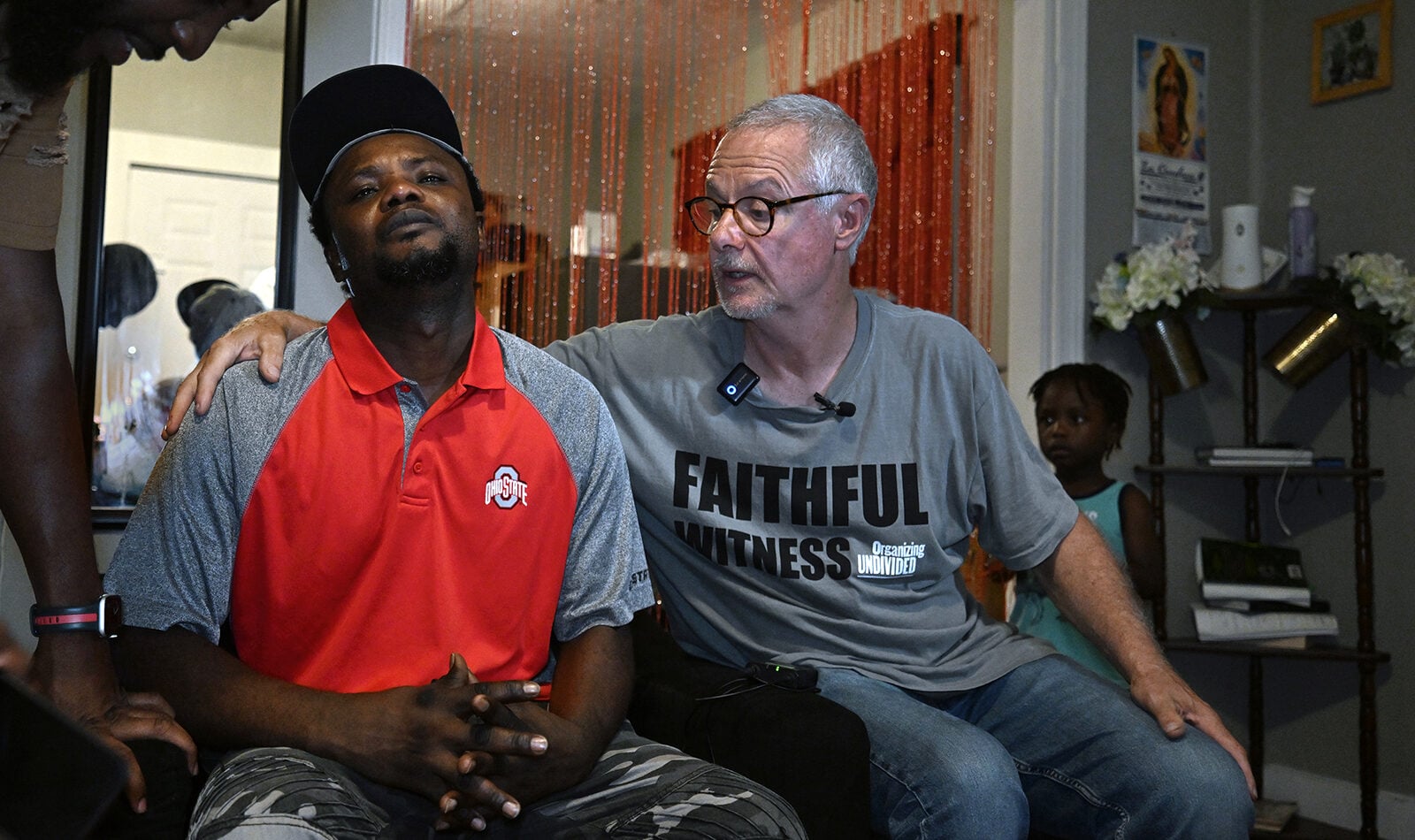
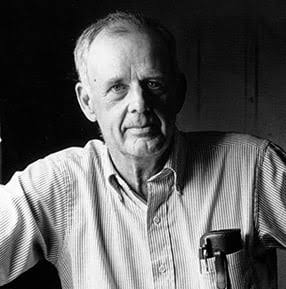
By The Rev. Dr. Rob Schenck
For Evangelicals like me, the go-to exercise during times of tension, stress, anxiety, and conflict is prayer. And, because we “born-again believers” consider ourselves “Bible Christians,” our sacred scriptures are central to our prayer lives.
Two passages come immediately to mind:
“Do not be anxious about anything, but in everything by prayer and supplication with thanksgiving let your requests be made known to God. And the peace of God, which surpasses all understanding, will guard your hearts and your minds in Christ Jesus (Philippians 4:6-7).”
“Rejoice always, pray without ceasing, give thanks in all circumstances; for this is the will of God in Christ Jesus for you (I Thessalonians 5:16-18).”
Another verse allows us to presuppose our prayers will be answered in some beneficial way, provided they are offered with pure intentions and align with God’s will:
“And this is the confidence that we have toward him, that if we ask anything according to his will, he hears us. And if we know that he hears us in whatever we ask, we know that we have the requests that we have asked of him (I John 5:14-15).”
With this guidance in mind, I recently participated in an interfaith prayer service at which an array of religious leaders and community advocates gathered to pray for peace and increased bonds of public trust in a time of social and political tumult. To be true to my convictions on how prayers should be constructed and offered, but at the same time to not alienate or obligate others who do not pray like me, I carefully framed my intercession as follows:
A Prayer for the World:
Please join me in praying in the way that is customary for you.
I offer this prayer in the name of the one whom Christians know as the Prince of Peace, at whose birth we believe the angels pronounced, “Peace on earth, good will to all,” and in whom the great apostle said we can find “peace that passes understanding.”
Good and gracious God, in a time when some leaders speak words of callousness, contempt, and calumny, help us to be ambassadors of care, concern, and compassion.
Cause us, today, to renew our commitment to love God and to love our neighbor as ourselves.
In the name of the one who blessed the peacemakers, Jesus.
Amen.
Prayers like this bring me both an inner calm and greater confidence in facing seemingly insurmountable challenges. In articulating my desire for peace and my trust in the Divine, I feel better equipped to respond to the pain in my heart and to the sorrow in the world. And to be able to pray alongside people from different traditions all yearning for healing and hope is itself, a blessing.
The Reverend Dr. Rob Schenck
The Reverend Dr. Rob Schenck is an ordained evangelical minister of more than 40 years. In addition to serving as the Administrative Bishop of the Methodist Evangelical Church USA, Dr. Schenck is Visiting Scholar of Christianity and Religious Leadership at Hebrew College.