There is a familiar, longstanding metaphor at Interfaith America, as deeply ingrained into the culture of this 22-year-old organization as it is present in the speaking and writing of its president and founder.
Building a nation that prioritizes religious pluralism, according to Eboo Patel, requires that we trade in the melting pot paradigm, used to envision our increasingly diverse America in a way that “encourage[s] us to melt away not just our ugly conflicts, but also our distinctive identities,” for an outlook that values our unique individual contributions.
Enter the potluck.
For this team, the potluck is more than just a shared ethos or a mentality that guides Interfaith America’s programming, storytelling, and curriculum-building — it’s a practice.
Since I joined Interfaith America in early 2023, I’ve had the pleasure of sharing countless meals with colleagues, whether in brief excursions to Revival Food Hall — a mall with outposts of popular Chicago joints near the Board of Trade building where we work — during the bi-weekly community lunches in our office, or in the company of leading figures of interreligious dialogue and pluralism at regular staff-wide “lunch and learn” events.
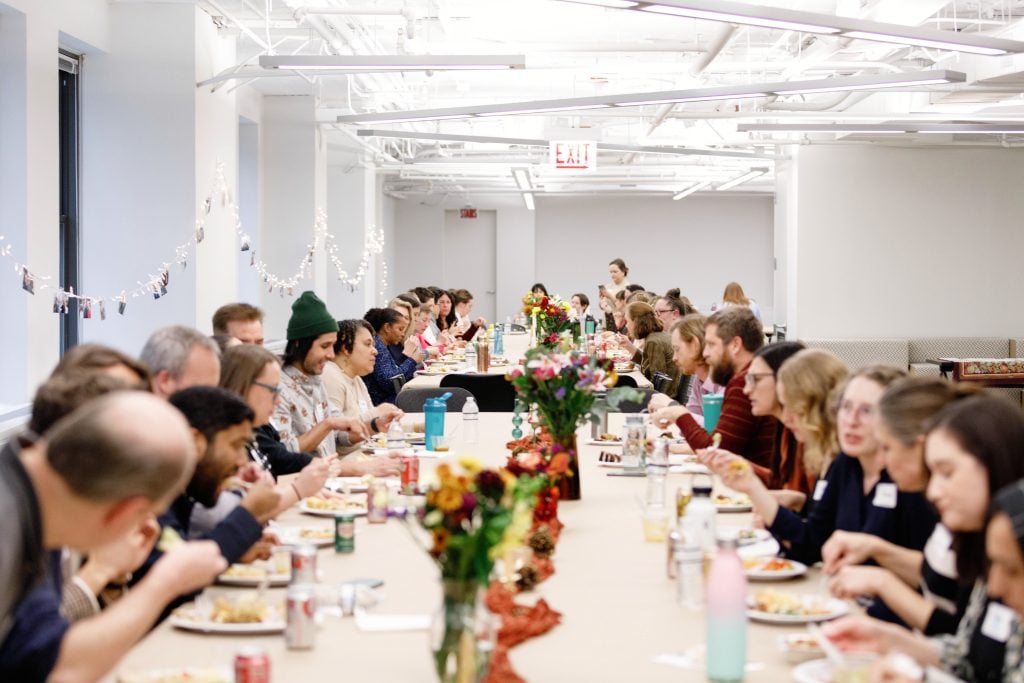
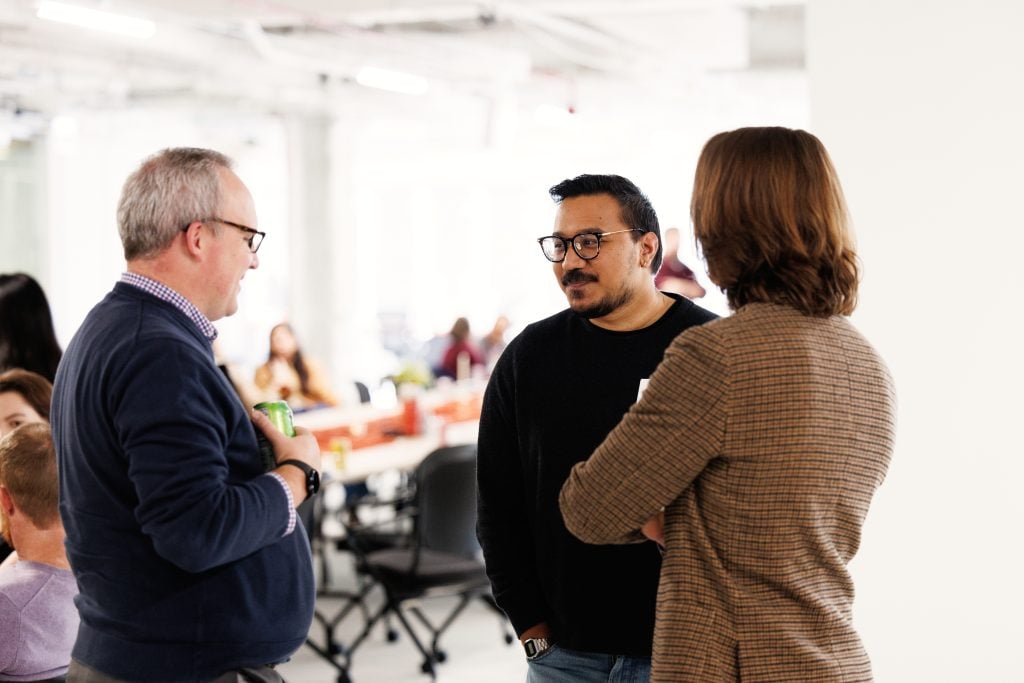
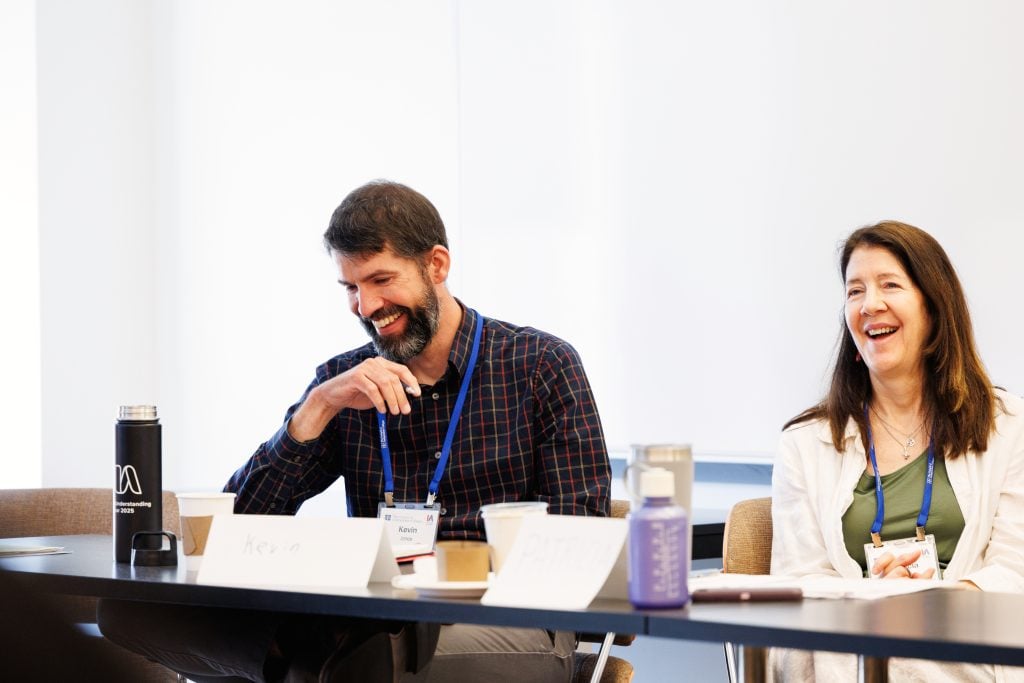
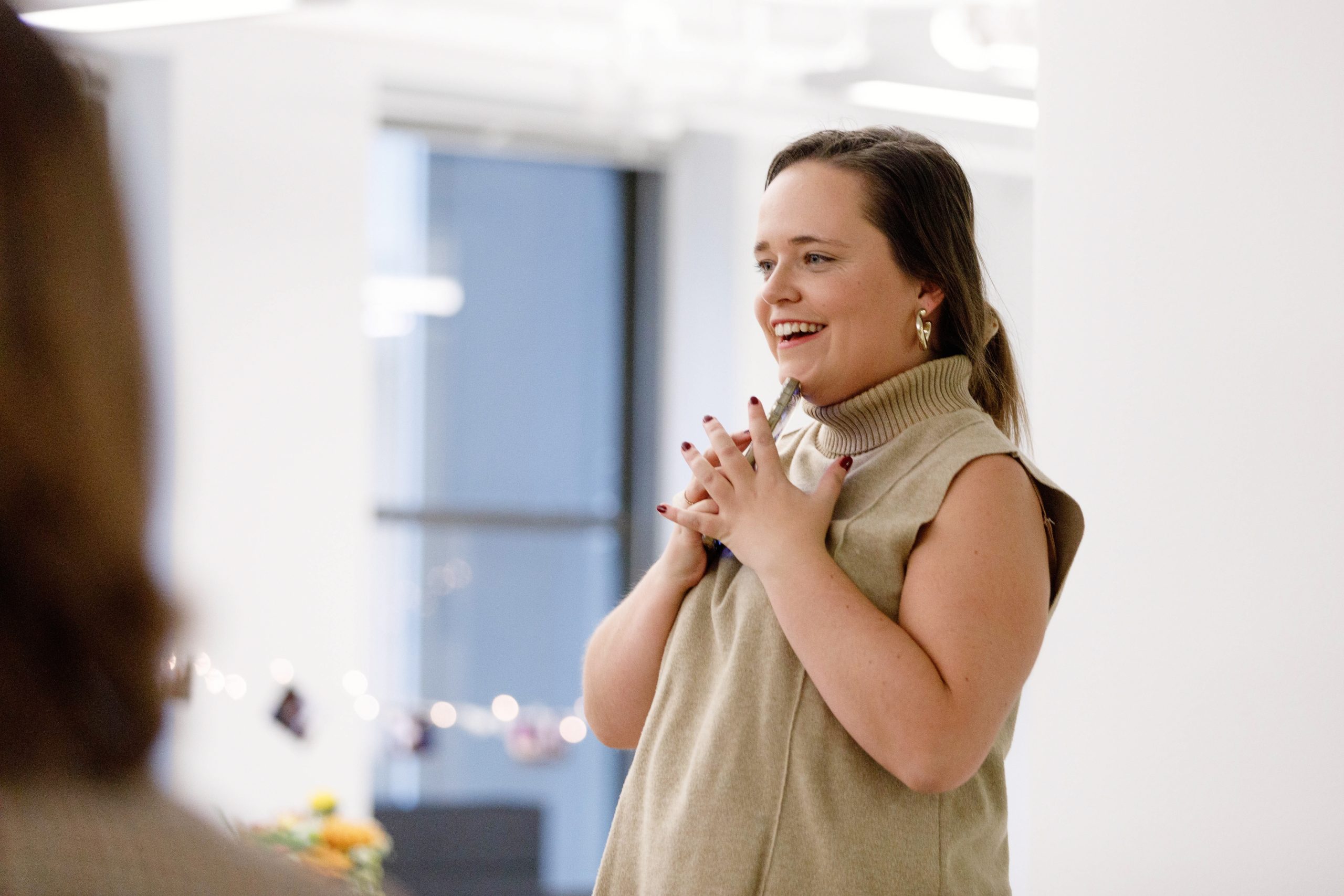
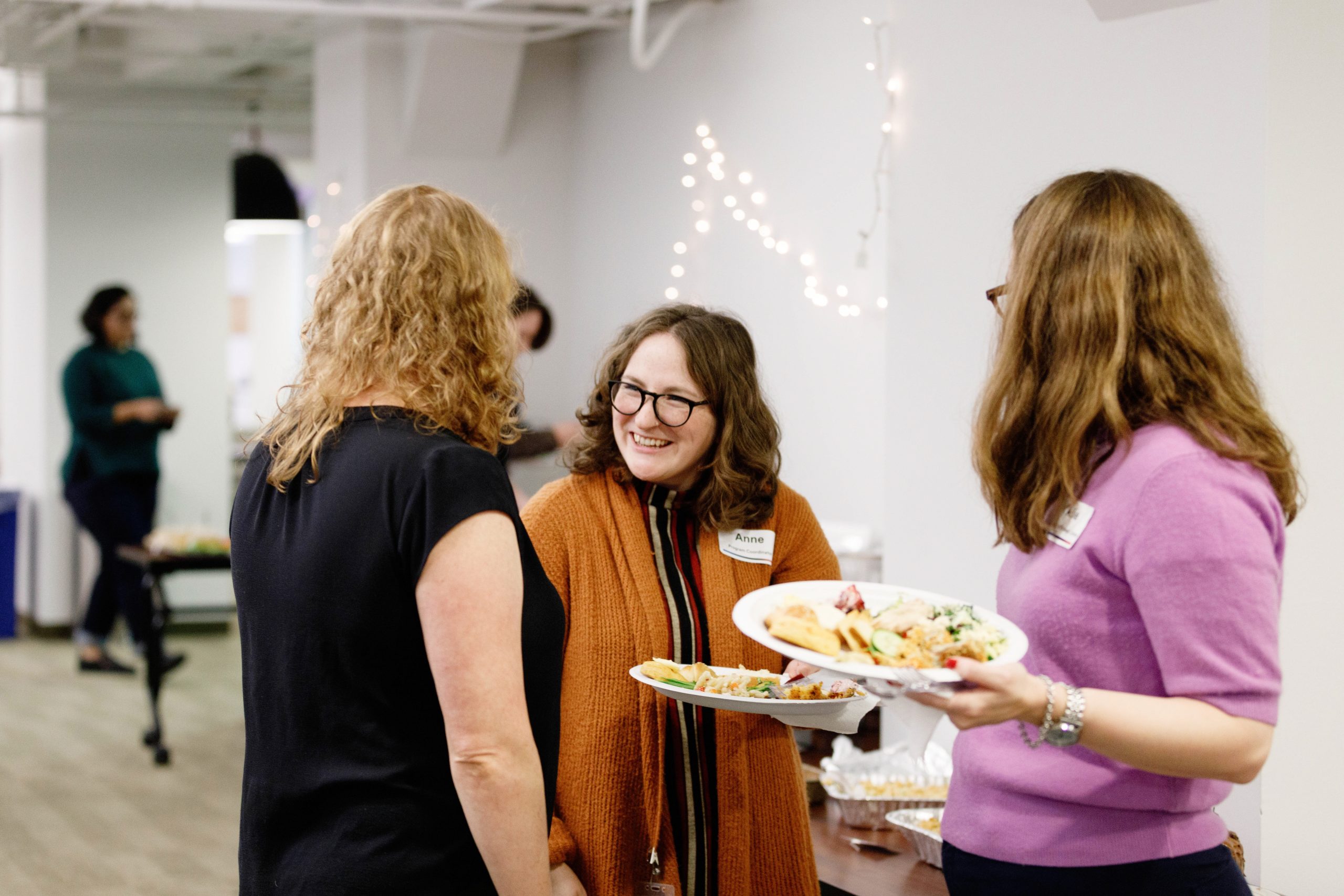
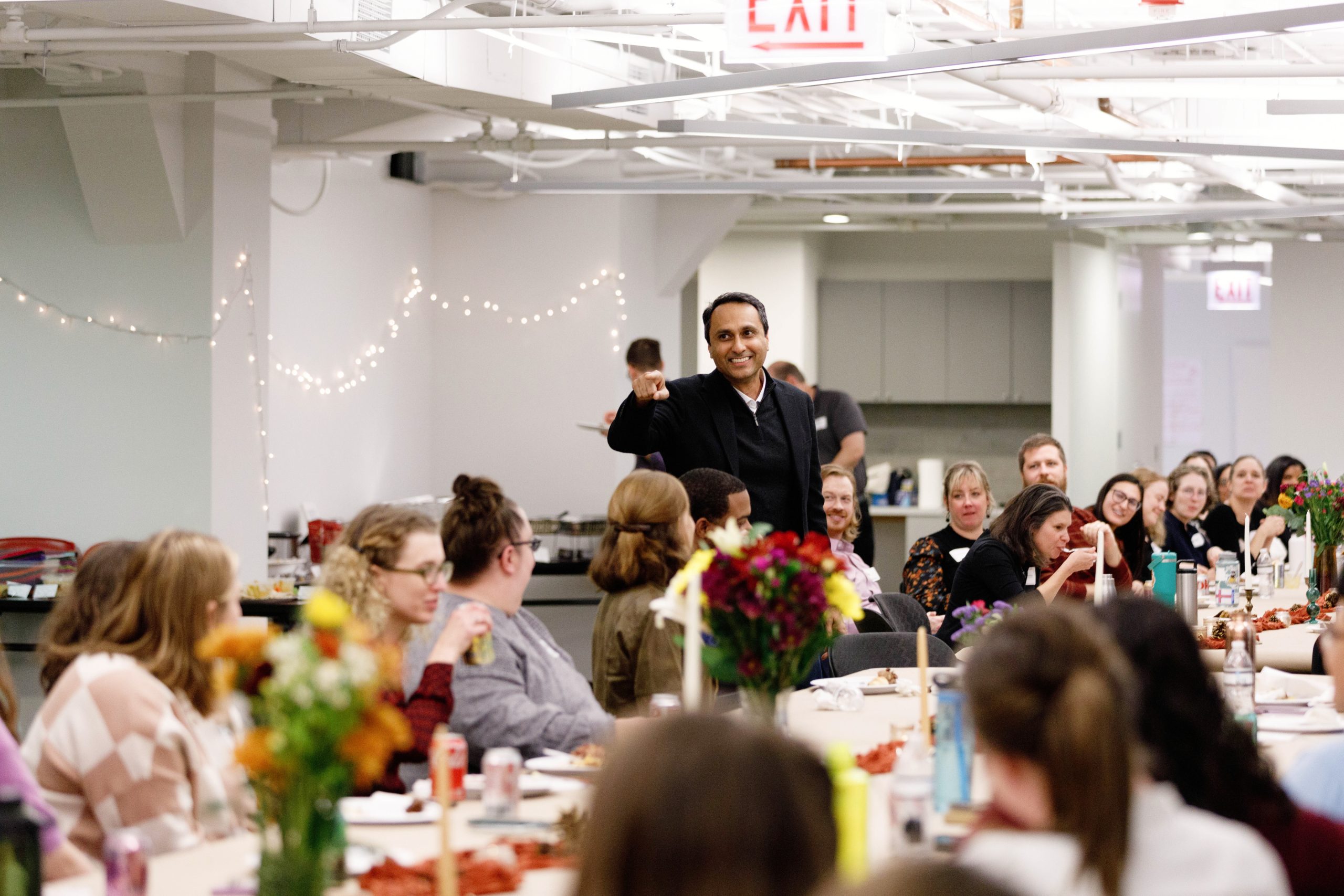
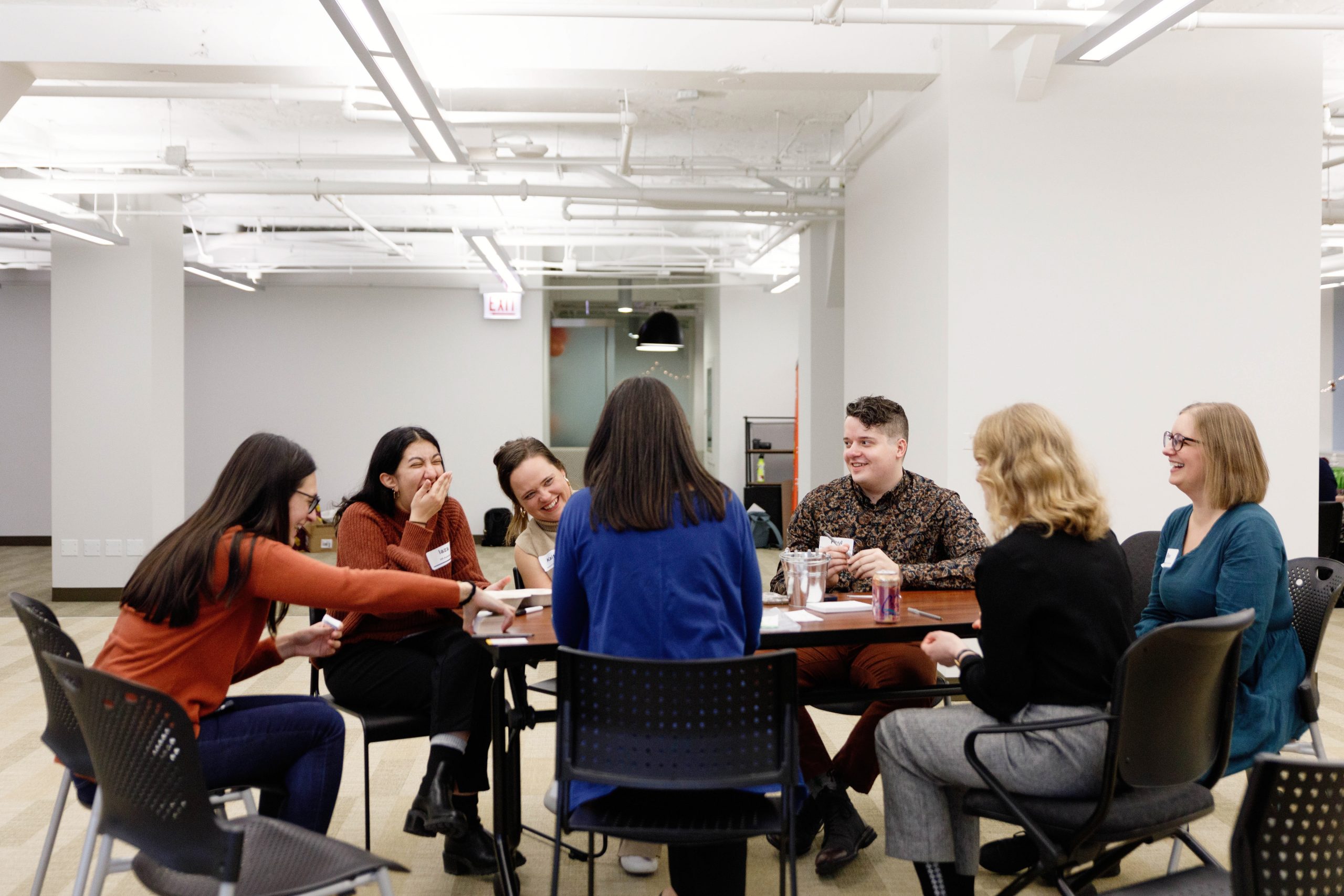
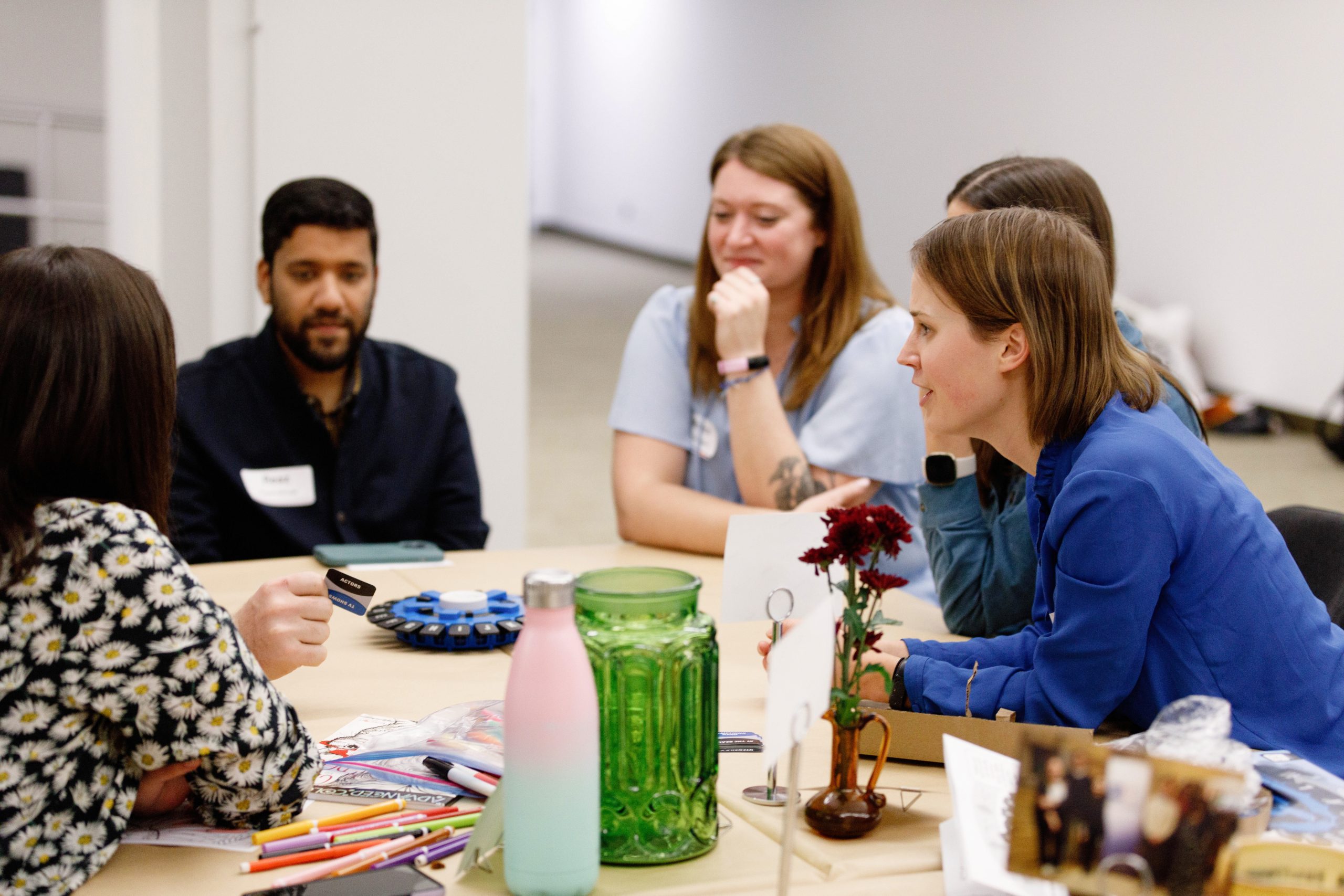
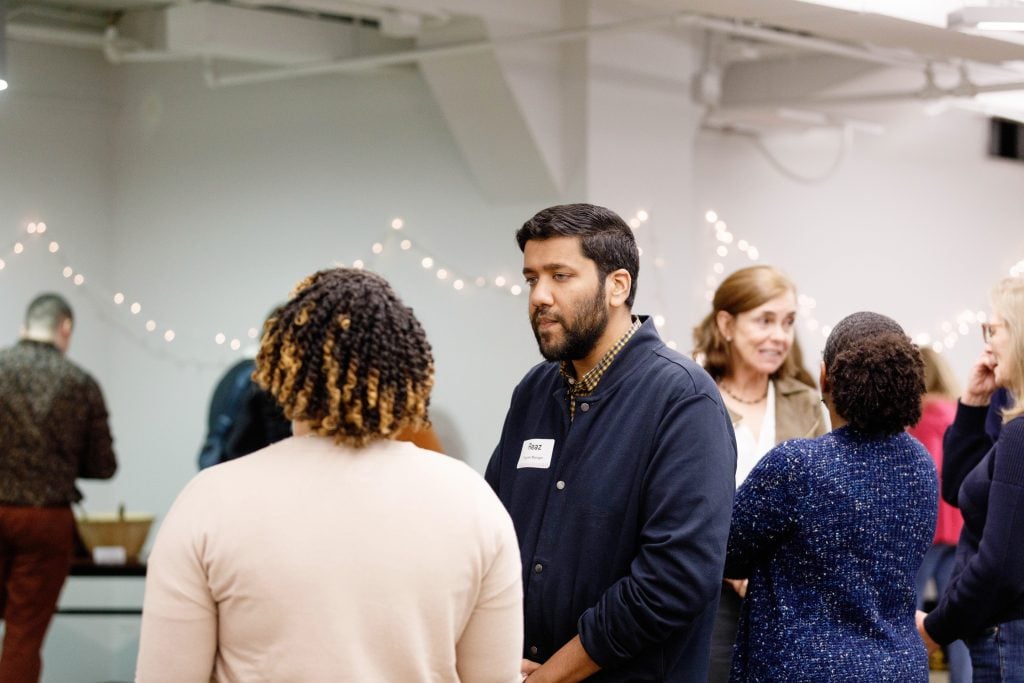
No meal or event, however, embodies IA’s core value of “diversity as a treasure” quite like the annual Interfaith America Thanksgiving potluck. Earlier this month, more than 70 Interfaith America employees from more than 10 states, representing countless religious, cultural, and spiritual backgrounds, gathered in Chicago to celebrate the event, which takes place before Thanksgiving each fall.
In the spirit of acknowledging and celebrating the unique contributions interfaith leaders bring to the table, staff were invited to bring an appetizer, side, or dessert to share.
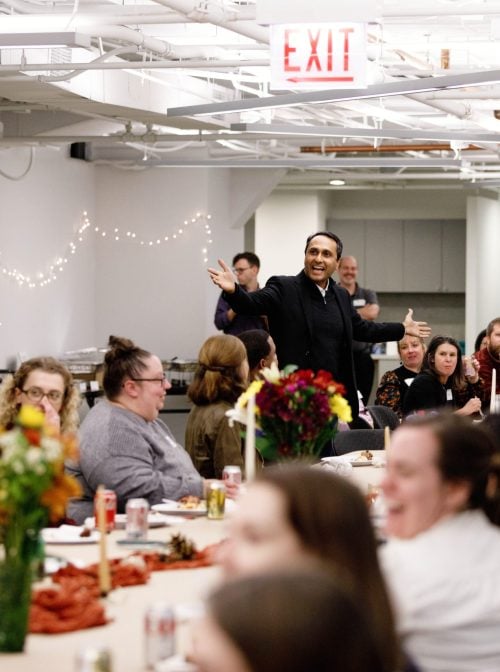
“Deen and dunya,” or, colloquially, “heaven on earth,” said Patel, as he addressed IA staff before the potluck feast began, “is [when] everybody brings a dish inspired by their identity to a common table.”
It also serves us to acknowledge the significance of meal-sharing among a diverse array of faith and cultural traditions — especially as we enter a season replete with religious holidays.
“In Islam, the concept of community (Ummah) is central, and sharing meals is a profound way to strengthen bonds and foster understanding,” said Interfaith America’s controller Nadia Salam. “The Qur’an and Hadith emphasize the importance of hospitality, generosity, and breaking bread with others as acts of worship and kindness.”
Nadia’s biryani, a favorite at the IA Thanksgiving potluck, is a dish with a rich and diverse history in South Asian culture, and it symbolizes the hospitality and joy she carries from her Pakistani heritage into this diverse community.
IA program manager Joey Haynes’ understanding of the significance of a shared meal is drawn from his Christian tradition.
“In the gospels, Jesus spent a lot of time sharing meals with others,” said Haynes, who brought his family’s sweet potato biscuits to the potluck. “This has become a very important aspect in my life. I have built beautiful relationships across difference over a shared meal … and I have learned to appreciate a variety of perspectives, stories, and experiences from around the world.”
In addition to predictably delightful potluck contributions like green bean casserole, harvest salad, and pumpkin bread, which each bear their own unique flavor and lore, IA staff also served up dishes like kifle, traditional yeast-bread rolls contributed by staff accountant, Slavica Sudar; a vegetarian cottage cheese roast, inspired by program manager Rollie Olson’s ancestors’ Seventh Day Adventist tradition; and a vegan carrot and coriander soup, reminiscent of program assistant Kayla Le Roux’s childhood family meals.
The close of the year often offers countless opportunities to adopt the potluck practice — to gather, to learn, and to exchange dishes and stories.
But it’s not “all kumbaya, and hummus and samosas,” as IA senior leaders Jenan Mohajir and Rebecca Russo pointed to earlier this fall, in their ongoing conversation to find shared humanity in a post-October 7 landscape.
In Interfaith America’s line of work, particularly in a year marked with continued violence globally and a contentious election stateside, bridgebuilders recognize the complexities of their distinct identities and the painful realities to grapple with — not unlike the nuances of Thanksgiving.
Keeping the peace among family, friends, and neighbors in the face of deep division remains a real challenge, but one worth pursuing.
“Sharing a meal with someone and welcoming someone to your table is a sacred duty,” said Sudar. “In the times we are living in, it is the first step in coming together — an important step that shows someone they are welcome, even if we might disagree.”
Rachel Crowe is a Staff Writer at Interfaith America.