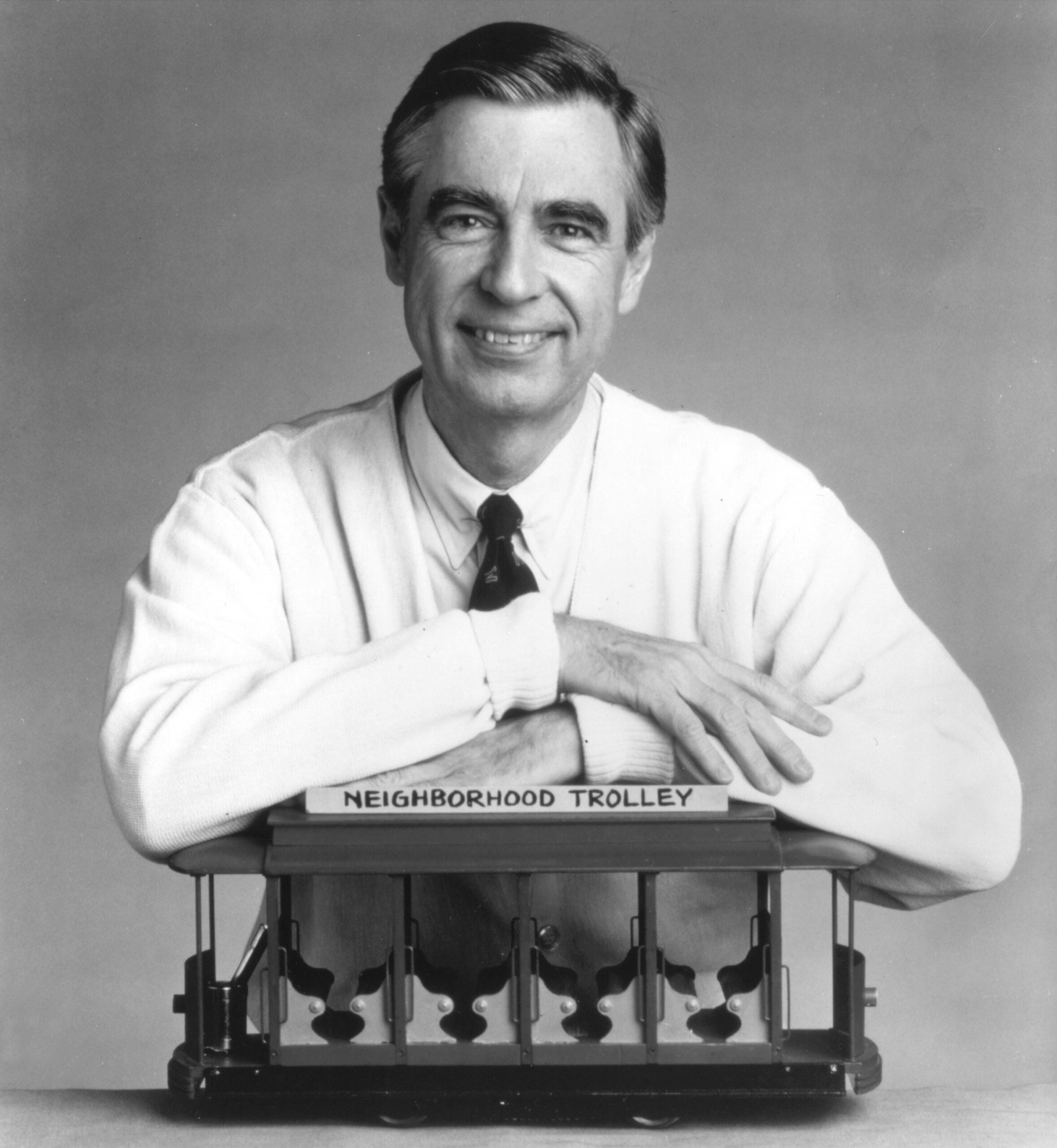
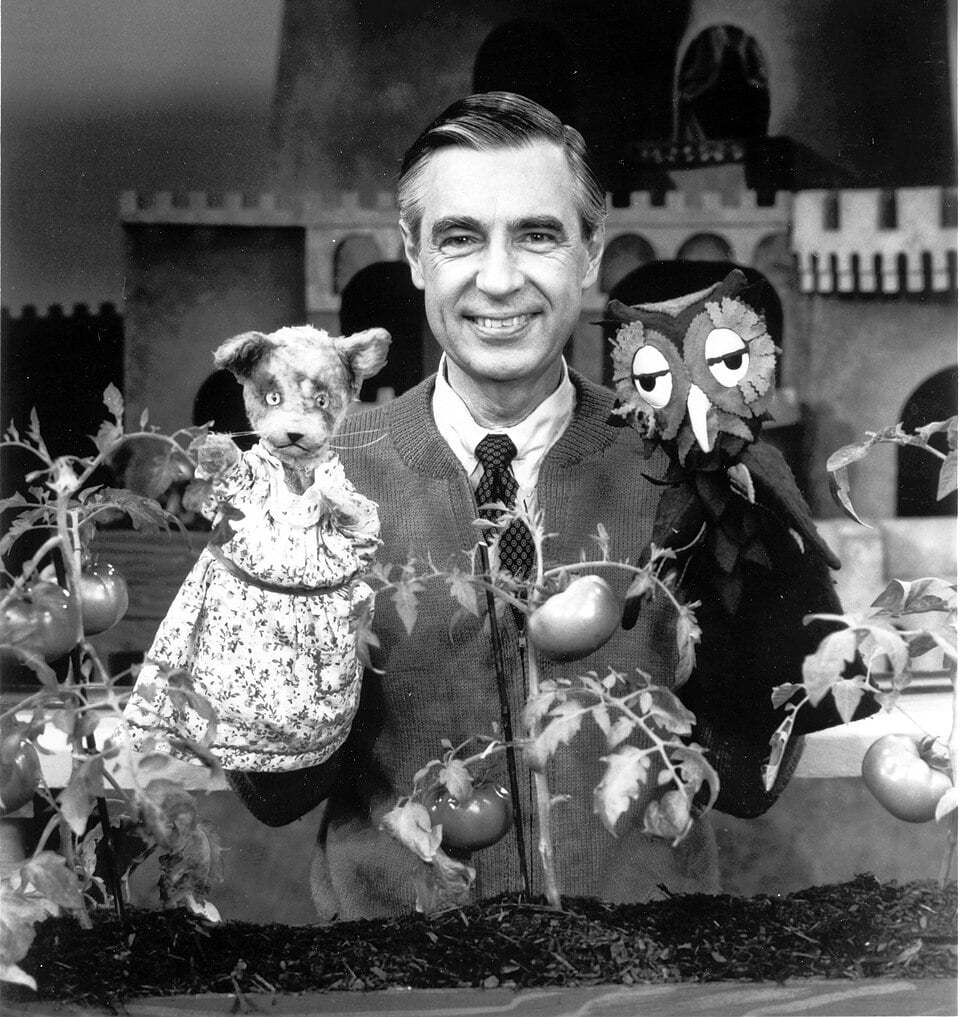
Fred Rogers spent his life teaching children to recognize the innate dignity and love in themselves and in their neighbors.
“Television has the chance of building a real community out of an entire country,” he said. “We see that in times of crisis. It can really bring people together.”
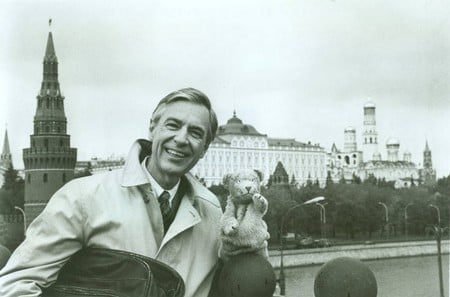
Through his imaginative, inclusive and intentional program, “Mister Rogers’ Neighborhood,” which aired on public television from 1968 to 2001, he spoke to Americans at moments of national crisis, including the assassination of RFK, the Challenger space shuttle disaster, and 9/11.
Rogers’ show — written, composed, produced, and performed by him — encouraged a generation of Americans to look beyond exclusion and social stigma and really get to know and care about their neighbors.
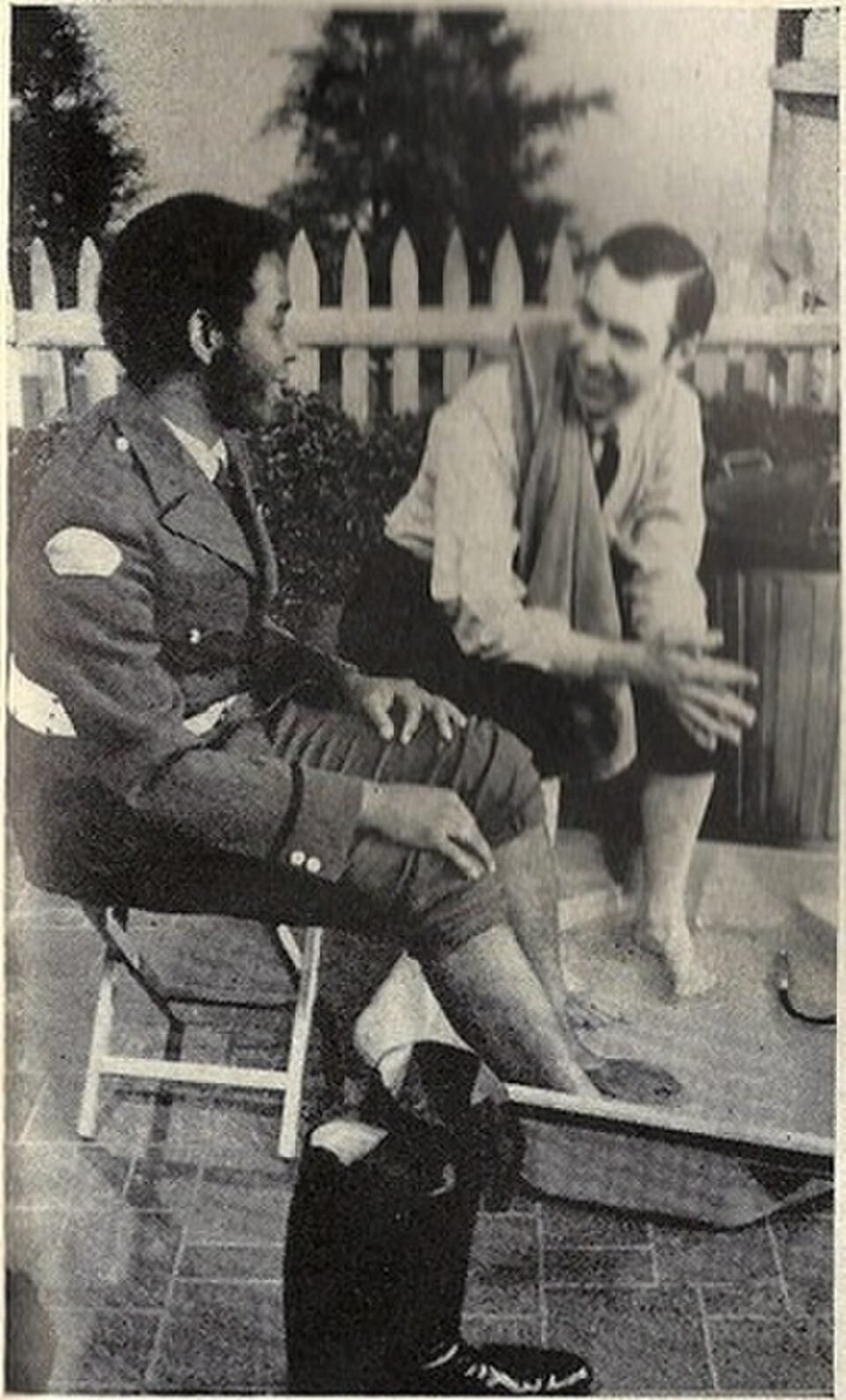
Through thoughtful dialogue and memorable song between puppet and human characters, his was one of the first children’s shows to address issues like death, divorce, racism – helping kids understand and process complex feelings.
An ordained Presbyterian minister, Mr. Rogers saw his role on the show as a sacred duty.
“There was a whole spiritual dimension to his work in the television business, to be inclusive … He didn’t wear a collar, he wore a sweater. And he preached in that context in a way more effective than anyone I’ve ever seen because it wasn’t a sermon. It was a communication right into their hearts,” the Rev. George Wirth said in the 2018 documentary, “Won’t You Be My Neighbor?”
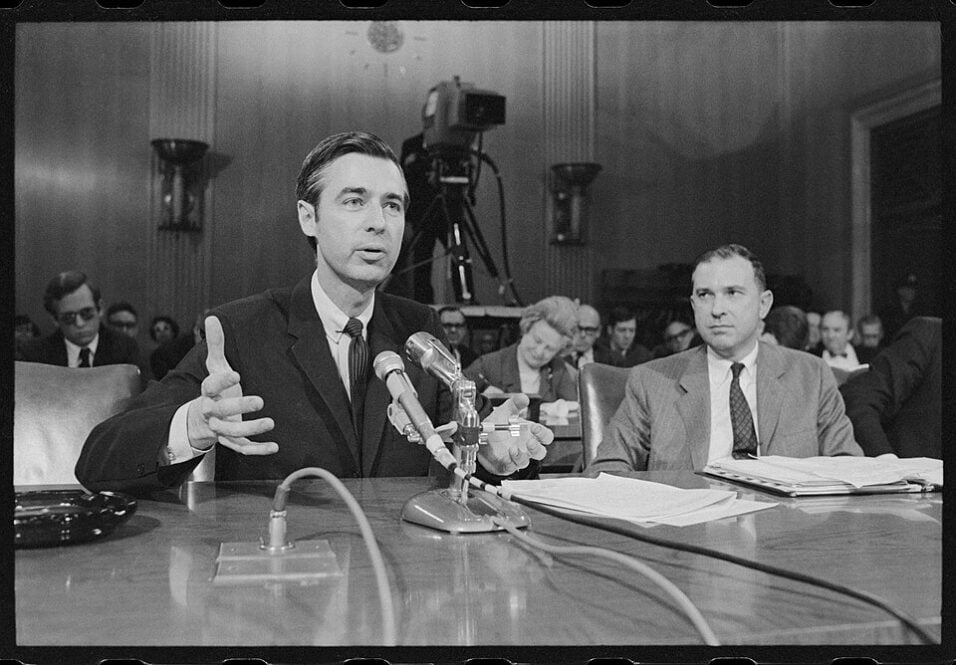
When federal funding for public media was revoked at the end of 2025, Americans revisited Rogers’ vocal defense of funding for public television nearly 60 years earlier. Rogers took a strong stance against consumerism and advocated for educational TV that teaches the value of listening and practicing patience in an increasingly rapid and sensationalized media landscape.
His ethos of gentleness and hospitality is a model of connection across difference in a divided world. Mr. Rogers reminds us that when things feel sad or scary or overwhelming, “the greatest thing that we can do is to let somebody know they are loved and capable of loving.”
Rachel Crowe
Rachel Crowe, Staff Writer for IA Today, tells compelling stories about interfaith cooperation across diverse communities and supports our narrative programming. She is a graduate of Gettysburg College where she earned a BA in English with a Writing Concentration and a German Studies minor.