
What is Imbolc?
Imbolc is a pre-Christian Irish festival observed in Wicca and neopaganism. Celebrated on Feb. 1-2 in the Gregorian calendar, Imbolc marks the halfway point between the winter solstice and the spring equinox.
Imbolc is one of eight sabbats, which are seasonal festival days in the pagan Wheel of the Year. These sacred days mark the solar holidays and cross-quarter dates that coincide with agricultural milestones.
What does Imbolc mean?
Imbolc means “in the belly,” which references the link between the passage of seasons in the Wheel of the Year and the stages of lambing. This period coincides with the return of light, when ewes began to bear offspring in ancient Irish farming communities.
Imbolc is associated with themes of patience, trust, and anticipation, as new life, fresh beginnings, and transformation are near.
How is St. Brigid’s Day related to Imbolc?
During Imbolc, observers pay tribute to the ancient goddess Brigid, patroness of ironwork, poetry, and healing. Brigid represents the hearth, fertility, and protection.
The Irish and some Christians observe the Feast of St. Brigid on Feb. 1, which venerates St. Brigid of Kildare. St. Brigid — recognized by some scholars as a Christianization of the ancient Celtic goddess — was an abbess and is patroness of Ireland, and of healers, poets, blacksmiths, dairy work, and livestock.
How do people celebrate Imbolc?
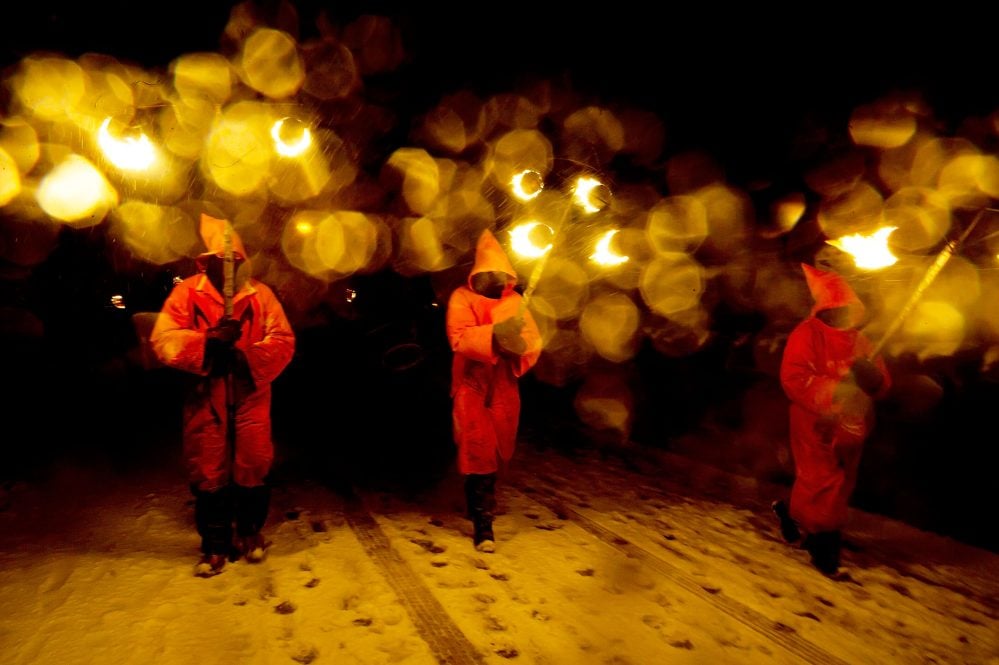
Many pagans mark Imbolc with rituals including altar blessings, cleaning, and intention-setting. Mindful Imbolc practices could include cooking with dairy, lighting candles, or building a bonfire, often practiced in homage to Brigid.
One popular tradition is to weave or forge a Brigid’s Cross, a traditional Irish symbol of health and prosperity. There is an ancient practice of hanging a Brigid’s Cross above doorways in homes and stables for blessing and protection.
“Brat Bríde,” meaning Brigid’s Cloak, is another Imbolc ritual. This practice involves hanging a cloth outside on the eve of Brigid’s Day, Jan. 31 and collecting it before sunrise. Traditionally, the cloth, having collected the sacred dew of the eve of Brigid’s Day, would be used throughout the year when protection and healing were needed.
This Imbolc, Interfaith America connected with Lidia Pradas, a Wicca and Witchcraft author and owner of the popular Instagram account, @wiccantips, where she shares informative content about Wiccan rituals, mindful living, and the sabbats. Living on a small homestead and tending to plants, Pradas enjoys witnessing the changes of the Wheel of the Year’s seasons in the land.
“At Imbolc, I often use the moment to plant the seeds of new projects, both metaphorically and literally,” she said. “This season makes me think of the promises of spring: rebirth, emerging from winter rest, and the quiet return of energy.”
Read More
Read more about how IA’s network celebrates Imbolc, St. Brigid’s Day, and other celebrations that mark the midpoint between winter and spring.