
I was raised in a Jewish tradition steeped in ritual and responsibility — where family and community were the anchors, and justice was a moral imperative. Judaism, for me, was never just about belief; it was about belonging. As a teenager and young adult, I found joy and purpose in my faith. It shaped how I saw the world and my place in it. I carried it like a torch — bright, warm, and motivating.
And yet, I grew up in one of the most multicultural cities in the world with surprisingly few chances to step outside the walls of my own tradition. My Jewish community was loving and tight-knit, but it was also a kind of bubble. I didn’t know what it meant to sit with someone from another faith and share sacred language. I didn’t yet know the power that comes from such encounters.
Still, in my twenties, Judaism was the fuel for my activism, my joy, and my fierce sense of justice. I was drawn to its culture, and a historical pursuit of justice and radical calls for compassion. My connection to spirituality was energetic and outward — it moved, and it moved me.
Seventeen years ago, I was selected as a Faiths Act Fellow with Interfaith America. That experience cracked my faith wide open in the best possible way. It was the first time I was in sustained community with people of different faiths — not just studying texts together but actively working side-by-side on campaigns for global health and justice. It was transformative.
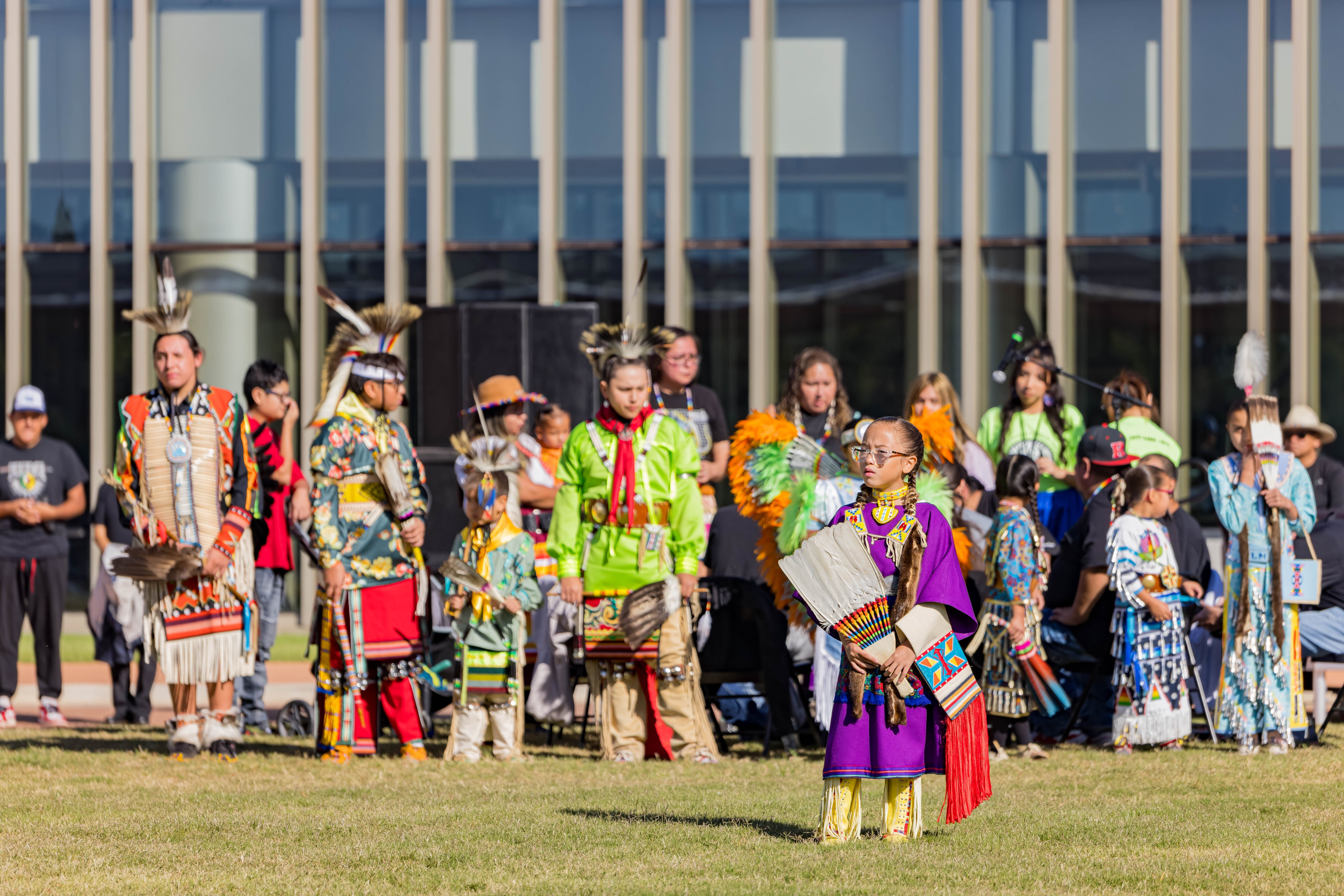
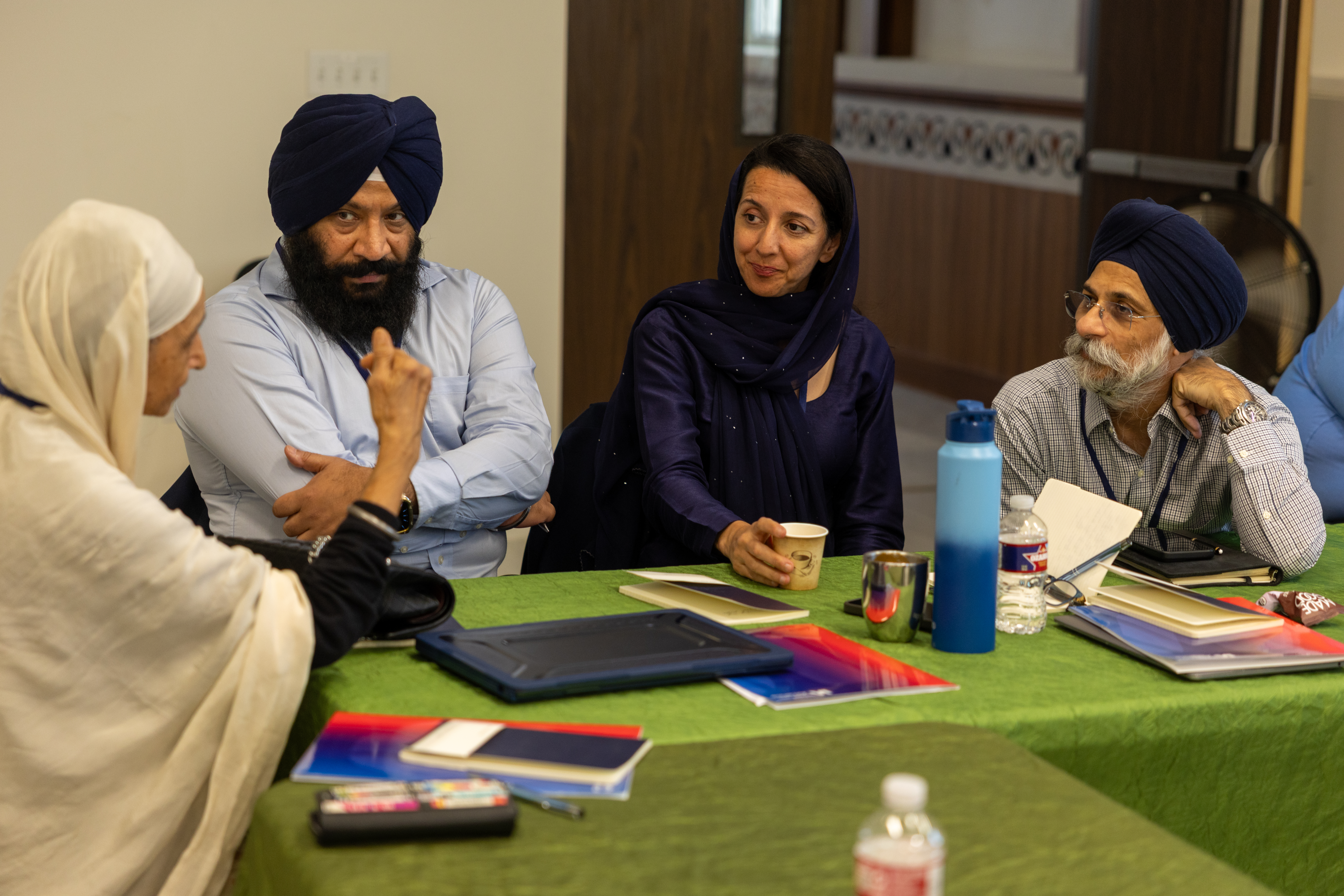
What I learned then — and what continues to shape my theology today — is that G-d’s work is not confined to one tradition. I’ve felt the divine in church marches for reconciliation with Indigenous peoples, in interfaith iftars, and in the songs of gurdwaras as people prepared meals for anyone who walked through the door. I’ve learned that the essence of faith is not sameness, but reverence — for one another, for difference, for the sacred work of justice and compassion that transcends borders and beliefs.
The energy that had once pulsed through my faith practice felt distant, and I began to feel detached not just from Judaism, but from the spiritual nourishment that once defined it for me.
But in my thirties, that current slowed. Not in a sudden break, but in a slow, almost imperceptible drift. Life happened — career transitions, questions about purpose, and eventually, a divorce that left me disoriented and wrestling with G-d in a deeper, more raw way than ever before. The energy that had once pulsed through my faith practice felt distant, and I began to feel detached not just from Judaism, but from the spiritual nourishment that once defined it for me. And beyond the personal, the world itself seemed to tilt — years marked by political division, climate anxiety, pandemic isolation, and the erosion of shared truths. Loss seemed to echo everywhere — not just in death, but in community, certainty, and a sense of control. My faith, once a grounding force, felt increasingly abstract. I was spiritually homesick, but unsure how — or if — to find my way back.
Then, a few years ago, I moved to New York. A new city, a new life chapter — and eventually, a new identity: father. Somewhere in that transformation, I felt something inside me stir. Not loudly, not urgently, but quietly. My return to faith didn’t arrive with trumpets. It arrived in stillness.
That quiet reawakening was also sustained by the nourishment of deep friendships — those who had seen me through heartbreak, change, and rebuilding. Faith, I came to realize, does not only live in synagogues or scriptures. Sometimes, it lives in long conversations, and in the people who remind you of who you are even when you’ve forgotten. These friendships formed a kind of invisible minyan — an emotional and spiritual quorum that helped hold me up when I didn’t yet know how to pray again.
I started attending synagogue again, mostly on Friday nights. Kabbalat Shabbat — the traditional welcoming of the Sabbath — took on new meaning. There was something about sitting in a room filled with others, singing ancient songs I had known since childhood, and hearing sermons that braided scripture with social justice, that began to reawaken a sense of connection. This wasn’t the firebrand faith of my twenties. This was something more grounded — slower, deeper, more contemplative.
Becoming a father has further rekindled that candle of faith.
It’s hard not to feel the sacred when you’re holding a newborn in your arms. Becoming a father has further rekindled that candle of faith. In the blur of sleepless nights and swaddling routines, I began to sense the miraculous in the mundane. Birth itself — chaotic, humbling, and holy — broke something open in me.
I found myself turning instinctively to prayer. Not formally, not always with words. But in moments. In awe. In gratitude. In wonder. Rabbi Abraham Joshua Heschel once wrote that “our goal should be to live life in radical amazement… to look at the world in a way that takes nothing for granted.” Parenthood reintroduced me to that kind of spiritual posture — one in which the ordinary becomes sacred simply because we allow ourselves to be astonished by it. I now look at my child not just with love, but with a sense of awe that feels like prayer.
Today, I believe the best of faith is not dogma, but direction. It calls us to look beyond ourselves, to recognize our deep interconnection, and to affirm the inherent holiness of every human being. It asks us to hold dignity as our highest principle and to work for a world that reflects that dignity in policy, in community, and in spirit.
There are days I miss the spiritual fire of my twenties — the certainty, the urgency, the constant drive. But with time, I’ve come to appreciate what faith looks like now. It’s quieter, yes. But also steadier. More honest. Less about performance and more about presence.
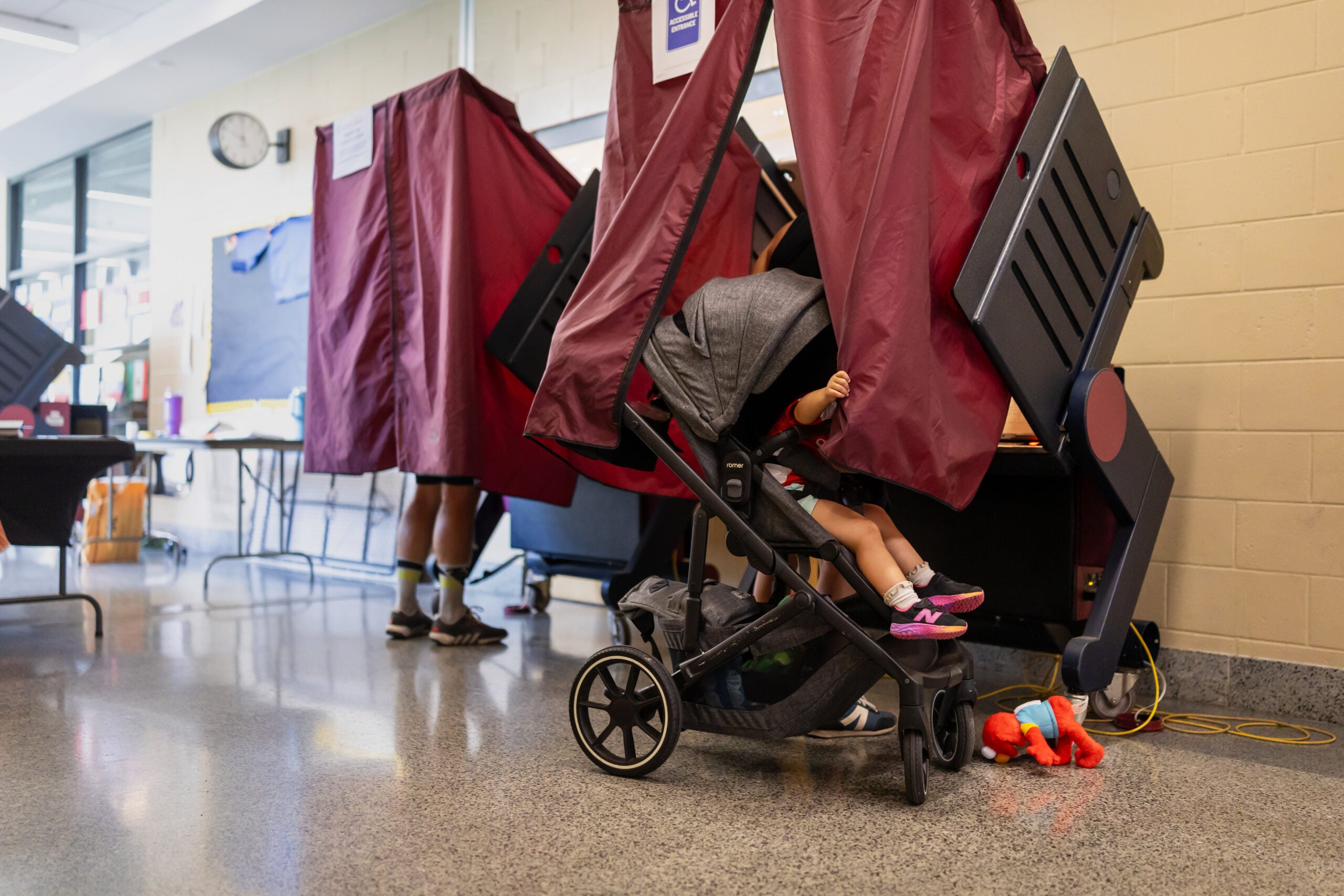
I no longer need to be loud in my belief to know that I believe. Faith now shows up in small rituals: the lighting of Shabbat candles, a whispered prayer during a stroller walk, an intention set before a tough conversation. It lives in the way I hope to parent, in the values I hope to pass on to my child, and in the ways I seek to show up for others.
Re-finding faith at 40 hasn’t meant reclaiming something lost. It’s meant discovering something new — a humbler, more expansive faith that fits this stage of life. One that leaves room for doubt, complexity, and awe. One that no longer burns as brightly, perhaps — but glows more deeply.
Danny Richmond
Danny Richmond is passionate about creating a more just and inclusive world. For over 20 years, he has led these efforts on five continents for both grassroots and global organizations such as UNICEF, Tony Blair Faith Foundation, Parliament of World Religions, and Inspirit Foundation.

Fellowship in Prayer is a grantmaking organization based in Princeton, New Jersey. It was founded in 1949 and has been awarding Sacred Journey grants since 2015.