
When an upper-level theology class of nine undergraduate students and one Divinity student hosted an interfaith meal, the result was unexpected. In the words of one student, Katie Beth Cornell, participants discovered “the gift of life and how we never really know what the future holds, what our neighbors are going through, and how much weight an individual is carrying.”
Professors David Tillman, Amy Hinkelman, and Adam English, Campbell University in Buies Creek, N.C., received a Faith and Health Campus Grant sponsored by Interfaith America to equip future religious and healthcare leaders to engage with faith communities and their spiritual wisdom in promoting community health. In support of the grant objectives and guidance from faculty, students organized a community dinner and facilitated conversation, drawing a wide range of individuals together to discuss health within the framework of their distinct spiritual traditions. Tillman, Chair of Public Health, Hinkelman, Associate Professor of Microbiology and Immunology, and English, Chair of Christian Studies, used their Interfaith America Campus Grant to integrate awareness of religion and spirituality into health science curricula, encourage campus conversations about spirituality and healthcare, and empower local faith community leaders to engage in initiatives to support health and wellness.
The novel and experimental aspect of the Campbell event was its incorporation of health and healthcare related themes like wellness, illness, birth, and death — core experiences of human life — into interfaith dialogue.
The topic of the dinner and student-led conversation was “Life, Death, and Everything in Between,” and students reflected on their understandings of health, sickness, new life and death. Senior Christian Studies major Ian Hudson reported one “student raised in the Lutheran tradition shared her story about her christening ceremony shortly after her birth. Another student raised in the Catholic tradition shared her story about living with cancer and sickness. A Muslim student cited verses in the Qur’an showcasing paths people can take to wellness.” The novel and experimental aspect of the Campbell event was its incorporation of health and healthcare related themes like wellness, illness, birth, and death — core experiences of human life — into interfaith dialogue.
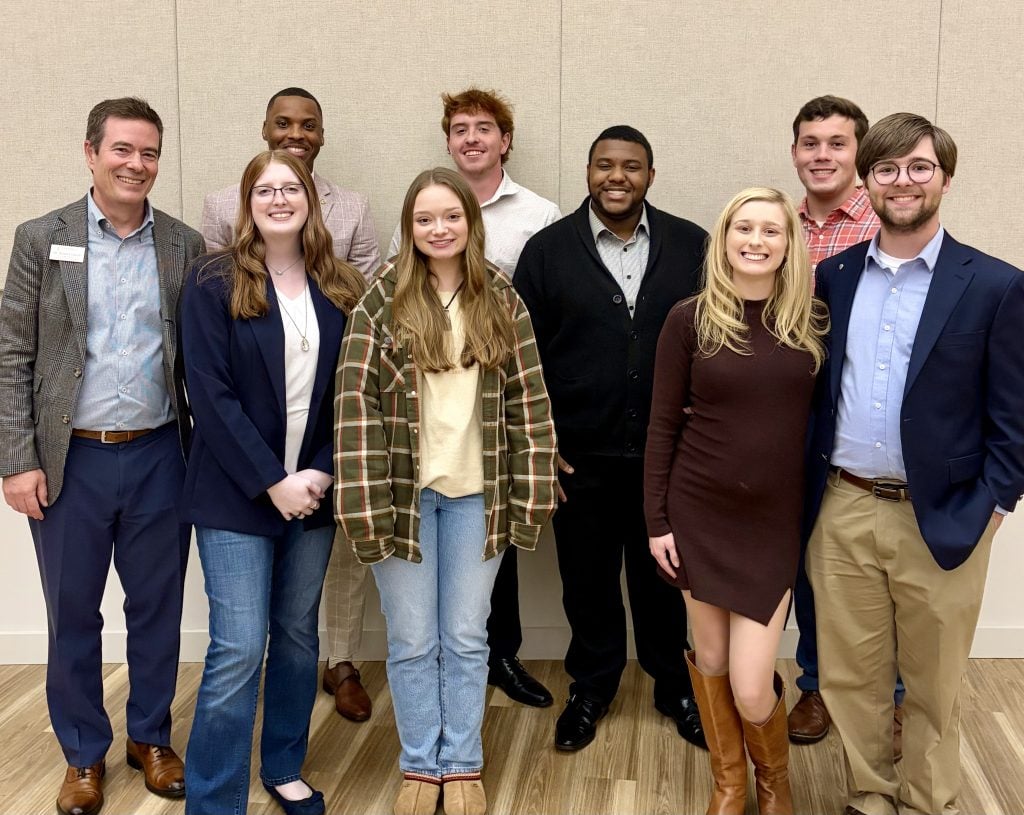
Collaborating in teams, Campbell students arranged every aspect of the interfaith meal and dialogue, designing the event to welcome and celebrate various religious traditions. Planning began with the goals of the evening — good conversation and authentic relationships — and extended to every aspect of the event including menu selection, tablecloths, centerpiece decorations, and social media marketing. As students labored behind the scenes on the logistical details, they began to appreciate the ways that careful organization showed respect and honor to their fellow students and participants.
At the same time, creating a welcoming and enriching event does not require every minute to be programmed. As senior student Kaitlyn Newell discovered, hospitality “can be as small as asking an honest question, inviting someone into the conversation and allowing them to talk without interruption.” Newell believes, “When this happens, it creates an environment for individuals to feel valued and builds trust.”
Student organizers not only invited their peers to attend but also to help plan and be part of the program. If “faith is a bridge,” one of Interfaith America’s mottos, then interfaith dialogue is bridge building and there are no construction short cuts. Hinkelman and Tillman reflect, “One of the most powerful lessons we can teach our students is not only ‘bringing everyone to the table’ as participants but enlisting them as integral and equal partners in the design of any event or initiative. We must remember to first solicit and then listen to the voices of those we seek to serve in the creation of the service.”

In preparing for respectful and productive table conversation, student leaders met with Louisa Ward, Campbell University’s Campus Minister, and learned ground rules for facilitating conversation: be present, speak from your own experience, anticipate discomfort, express empathy. Putting those principles into practice, students bravely guided table discussions on birth, death, sickness, and wellness.
Life is full of shared experiences; some are beautiful, some painful, some mundane, and some are bursting with mystery and wonder. Students who participated in “Life, Death, and Everything in Between” found much in common with each other; they also encountered unfamiliar perspectives and practices. Most surprisingly, they discovered the unexpected strength, healing, and blessing in their own spiritual traditions and communities. Some participants had not realized the value of their own religious treasures until they verbalized them and shared them with others. In sharing, we not only discover value, we create it.
Dr. Adam English is the Chair of the Department of Christian Studies and Professor of Christian Theology and Philosophy, teaching in the fields of theology, philosophy, and ethics.
Latest Articles
-
-
Civic Life
Interfaith Concert Looks to Reclaim Jan. 6 as Day of Unity, 5 Years After Capitol Riots
January 20, 2026
-
-
Campus
With Limits on Campus Protests, Quieter Vigils are the Growing Voice of Protest
January 13, 2026
-
Join us today
Get inspired, equipped, and connected to unlock the potential of America’s religious diversity.