Voting: ‘The Most Important Sacrament in American Democracy’
November 3, 2022
“For I say at the core of democracy, finally, is the religious element. All the religions, old and new, are there. Nor may the scheme step forth, clothed in resplendent beauty and command, till these, bearing the best, the latest fruit, the spiritual, shall fully appear.”
— Walt Whitman, Democratic Vistas
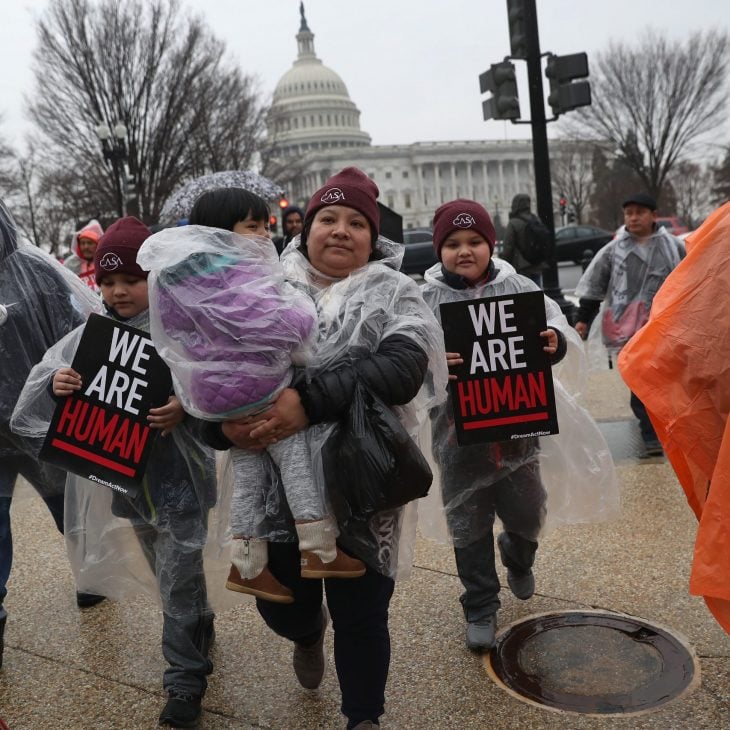
On election day of 2012, I found myself in Milwaukee, knocking on doors in a diverse neighborhood, encouraging people who had not yet voted that day to get out and vote. We were assigned to go out in pairs, and my partner was a student from the local university. At some point during our shift, going from block to block, I asked him what motivated him to volunteer to get out the vote. He told me he was a dreamer who grew up undocumented in America. Because he could not vote himself, this was how he was able to participate in the democratic process.
I think of him every Election Day. For those of us born here, the right to vote is something we take for granted, and which many Americans neglect to do. Yet my dreamer friend knew how precious the right to vote, a right he did not share, actually was. His was a faith in the imperfect, not-fully-realized democracy in which we live. In 2022, we could all use some of that faith.
“Faith” was a word that Walt Whitman used in 1871 to describe the commitment to an evolving democracy. His short book “Democratic Vistas,” published shortly after the Civil War, spoke of democracy often in religious terms. Like these:
“What Christ appear’d for in the moral-spiritual field for human-kind, namely, that in respect to the absolute soul, there is in the possession of such by each single individual, something so transcendent, so incapable of gradations, (like life,) that, to that extent, it places all beings on a common level, utterly regardless of the distinctions of intellect, virtue, station, or any height or lowliness whatever — is tallied in like manner …and for protection in citizenship, &c., must, to the political extent of the suffrage or vote, if no further, be placed, in each and in the whole, on one broad, primary, universal, common platform.”
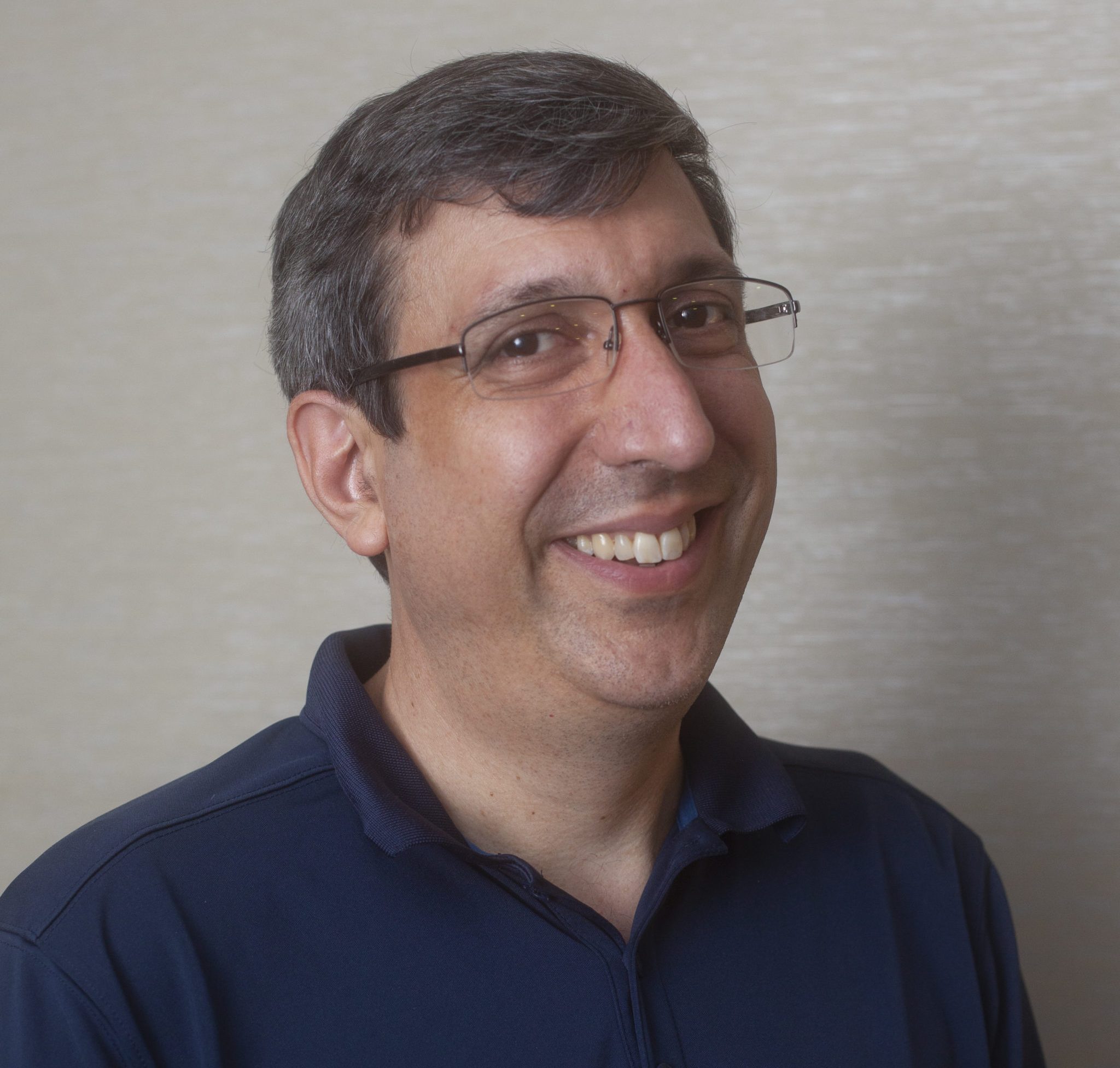
Jeff Pinzino
For the past two decades, Jeff has helped to make visionary social change projects real. Whether developing a mobile market to bring fresh produce to food deserts or co-founding a housing co-op for activists, he has brought creativity, expertise, and resourcefulness to bear in creating social change. Jeff has professional experience in community organizing, social entrepreneurship, philanthropy, fundraising, management and training. He has a passion for projects committed to economic justice and racial equity, especially those that engage human creativity and connectedness to transform communities. Some of his previous titles include Sr. Director of Development & External Relations of the Illinois Coalition for Immigrant and Refugee Rights, Development Director of New Orleans Works Center for Racial Justice, and Chief Operating Officer of Resilience Force.