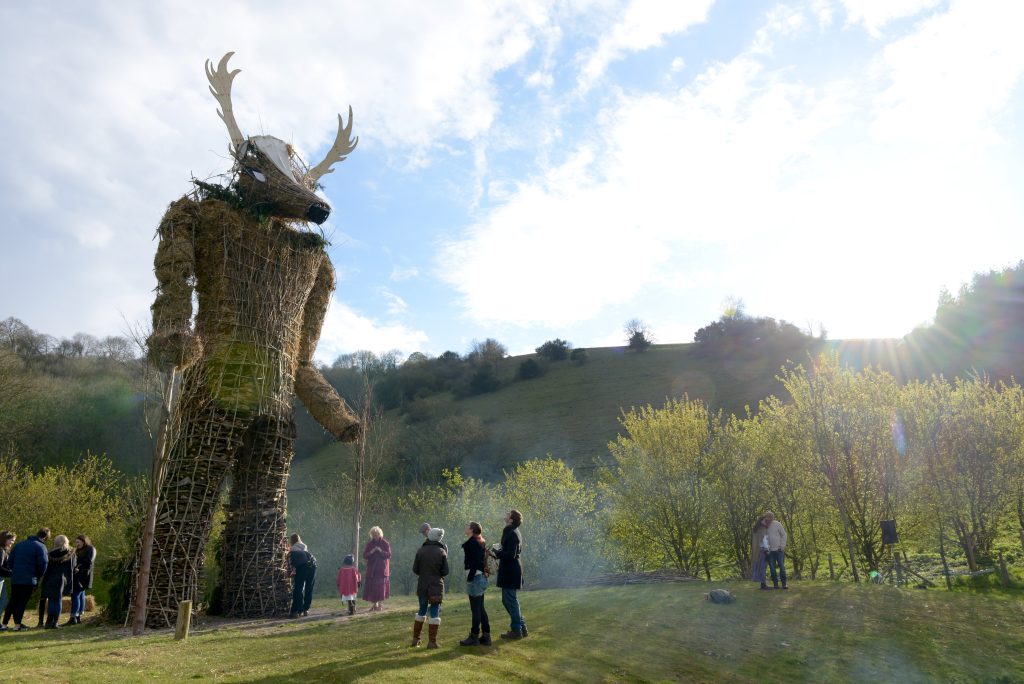
As we look forward to the arrival of spring and celebrate the longer days, warmer weather, and growth to come, it’s fitting to reflect on the many religious, spiritual, and cultural holidays that shape this season.
At Interfaith America, we believe that understanding the traditions and values others hold sacred is integral to community building in all different settings — from workplaces to healthcare to classrooms. Read about some holidays and traditions that colleagues, patients, and peers of other religious faiths and worldviews will observe this March, April, and May:
Sundown on March 10-April 9: Ramadan (Islam)
Ramadan, the ninth lunar month in the Islamic calendar, is considered by Muslims to be one of the most sacred months of the year, as it commemorates the first revelation of the Qur’an to Prophet Mohammed over 1,400 years ago. During Ramadan, Muslims abstain from food and drink daily from sunrise to sunset. This practice, marked by a sunrise prayer called Fajir and ending with the sunset prayer, Maghrib, is a measure of discipline and self-reflection meant to draw one greater God-consciousness, known in Arabic as taqwa. During Ramadan, many Muslims gather for nightly prayer and break the fast together “with a festive meal called an iftar.”

Join Our Ramadan Storytelling Campaign
March 21: Naw-Ruz (Baha’i)
Naw-Ruz (also spelled Nowroz and Norooz) takes place each year on or near March 21, marking the vernal equinox. Celebrated as the first day of the calendar year, this Baha’i holiday is derived from the ancient tradition of the Persian New Year and comes from the Persian term for “new day.” Baha’is count Naw-Ruz as one of eleven holy days and spend the holiday commemorating the symbolic notion of the renewal of time, as the day was “ordained by Baha’u’llah as a celebration of humanity’s ‘spiritual springtime.'”
March 24:
Palm Sunday (Christianity)
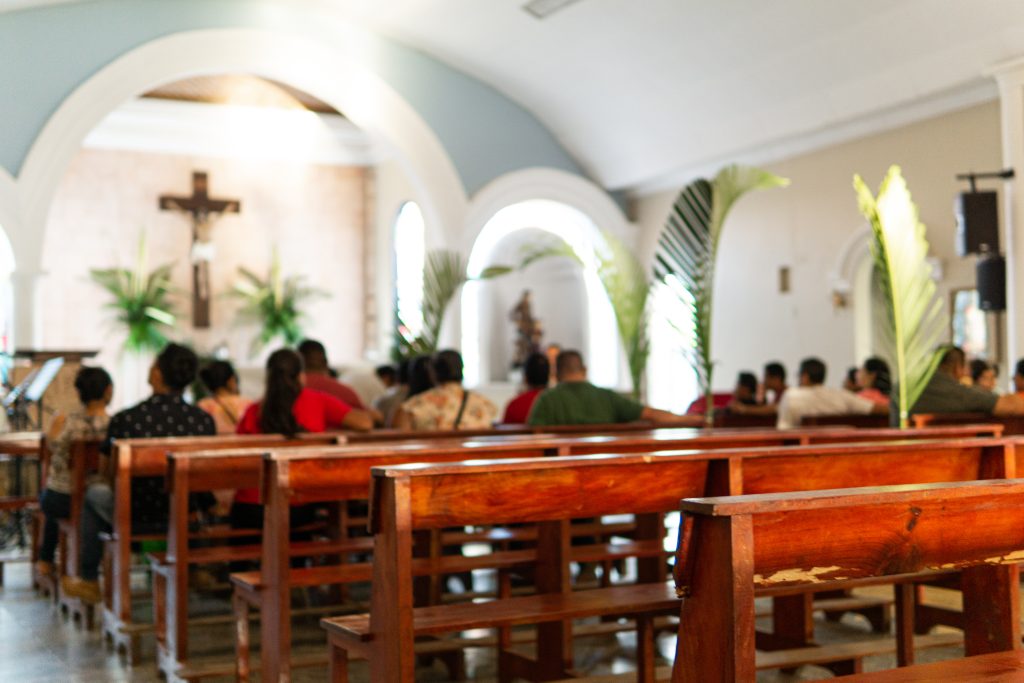
For Christians, Palm Sunday marks the beginning of Holy Week — the week leading up to Jesus’ death and resurrection. This feast day commemorates the son of God’s arrival in Jerusalem when he was greeted by crowds waving palm branches and shouting “Hosanna,” a Hebrew declaration of praise. Today, many Christians incorporate processions with palm branches into their worship on this holy day.
Purim (Judaism)
This Jewish holiday, celebrated yearly in early spring, commemorates the story of Queen Esther and the survival of Jews from a threatened massacre in the ancient Persian Empire. Purim is celebrated by recounting the story of Esther, who concealed her Jewish identity in her marriage to King Ahasuerus and helped save the Jewish people; sharing gifts, food, and drinks with loved ones; giving to people experiencing poverty; and partaking in a large meal. “Residents of Jerusalem and other ancient walled cities” celebrate Shushan Purim, which takes place a day later — this year on March 25.
March 25: Holi (Hinduism)
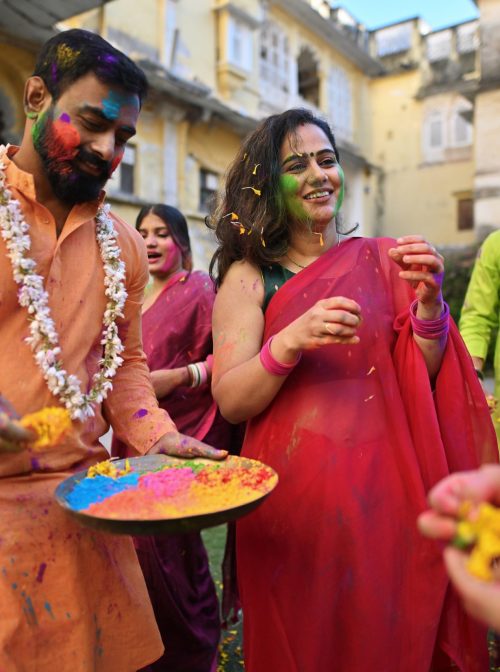
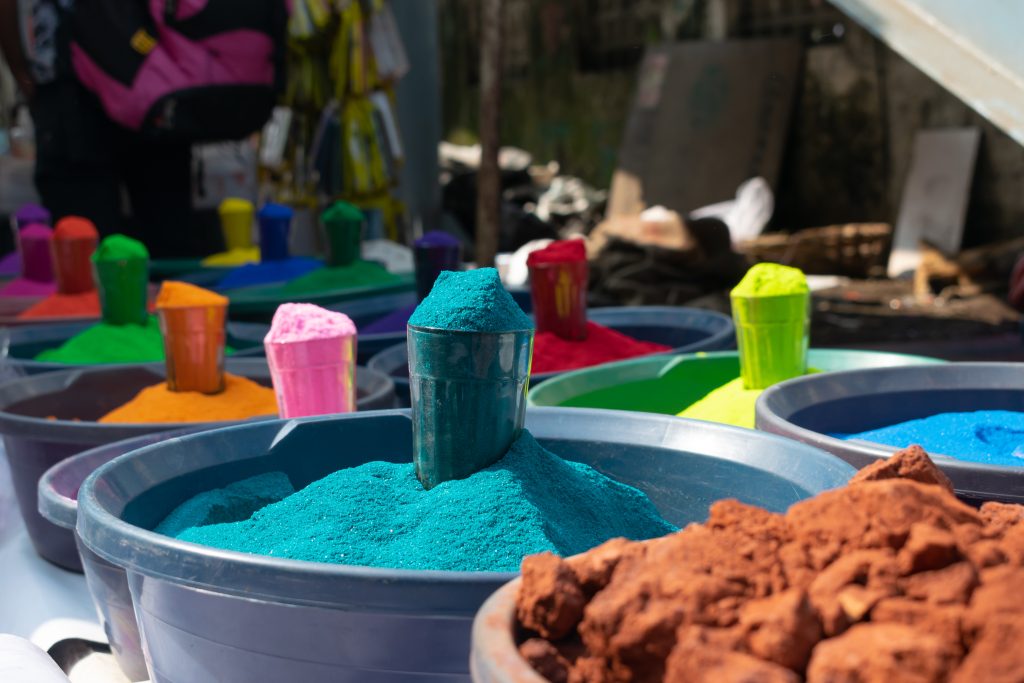
A celebration of love and color, the Hindu festival of Holi marks the beginning of spring. Hindus celebrate Holi by playing with colored waters and powders, dancing, and merriment. The holiday is rooted in the story of Hindu deities Radha and Krishna’s divine love. However, it is also associated with another ancient Indian story of Vishnu’s triumph over the demon king Hiranyakashipu. Holi festivities signify love, renewal, and the victory of good over evil.
Read: How Americans Have Adopted — and Adapted — the Indian Festival of Holi
March 28 or May 2: Holy Thursday (Christianity)
For Christians, Holy Thursday, or Maundy Thursday—stemming from mandated, the Latin for mandate or command –commemorates the Last Supper Jesus shared with his disciples before his death on the cross and resurrection. During this gathering, Jesus washed his disciples’ feet and imparted a new commandment: “Love one another: just as I have loved you, you also are to love one another.” Holy Thursday marks the first evening of the Triduum, the three-day observance of the “final days of Jesus’ life, his death, and his resurrection from the dead.” In Orthodox Christianity, which follows the Julian calendar, Holy Week is observed in May, following the Jewish Passover.
March 29 or May 3: Good Friday (Christianity)
Christians observe Good Friday in commemoration of Jesus’ crucifixion. This sad day is often marked with church services recounting the final events of Christ’s life—known as the Passion. Walkthroughs of the 14 Stations of the Cross, which represent His sacrificial journey and the suffering He endured before death on this day, are observed throughout the Lenten season. Orthodox Christians follow the Julian calendar and observe Good Friday on May 3, following the Jewish Passover.
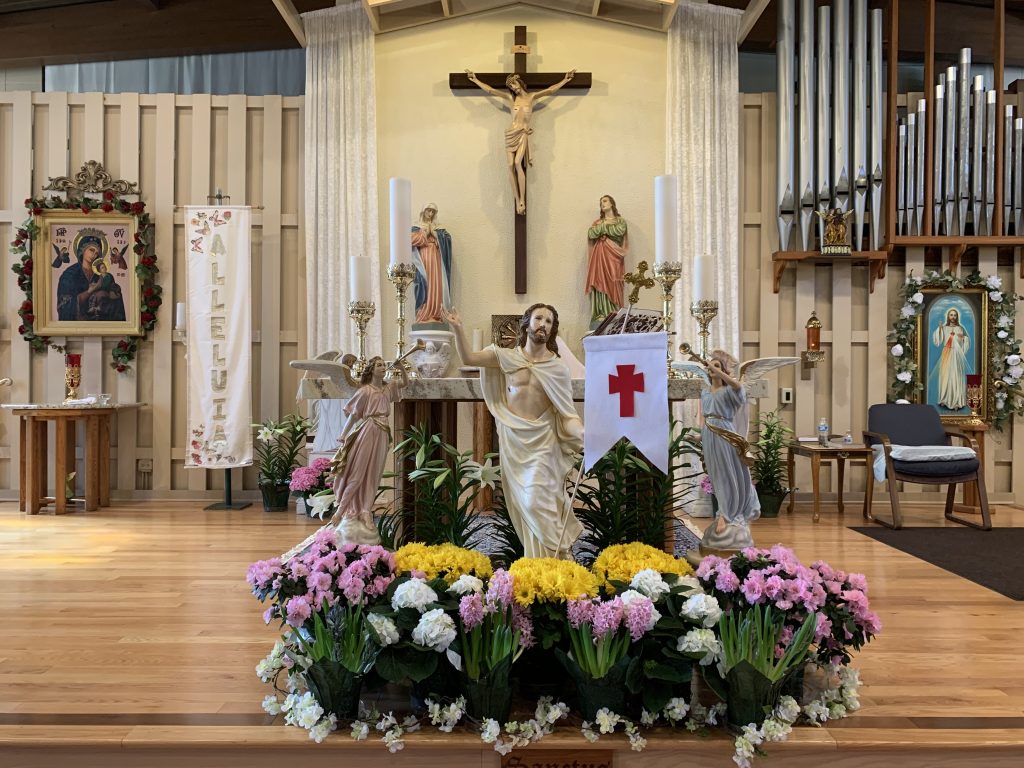
March 31 or May 5: Easter (Christianity)
The final day in the Triduum, Easter, is the culmination of Holy Week when Christians celebrate Jesus’ resurrection from the grave on the third day after his death. Some Christians celebrate this new life renewal holy feast with midnight mass or sunrise services, imparting the story of Jesus’ resurrection from the grave and triumph over death. Easter Sunday marks the end of the period of Lent in the Christian liturgical calendar, which is comprised of a somber 40 days of fasting, almsgiving, and prayer leading up to the festival day. For Eastern Orthodox Christians, Easter is observed on May 5.
Read: Many Shades of Hope: Finding Inspiration in Easter Eggs
April 6: Laylat al-Qadr (Islam)
For Muslims, Laylat al-Qadr marks the night when the Qur’an was revealed to the Prophet Muhammed. Though it is held that this sacred night in the Islamic calendar occurs on the 27th evening of the holy lunar month, Muslims are encouraged to seek it throughout the final ten nights of Ramadan and recognize it “by making extra Ibaadah (worship)” which can include “acts such as giving Zakat (almsgiving) and Sadaqah (voluntary charity), praying Nafl prayers (voluntary prayers), and making Du’a.”
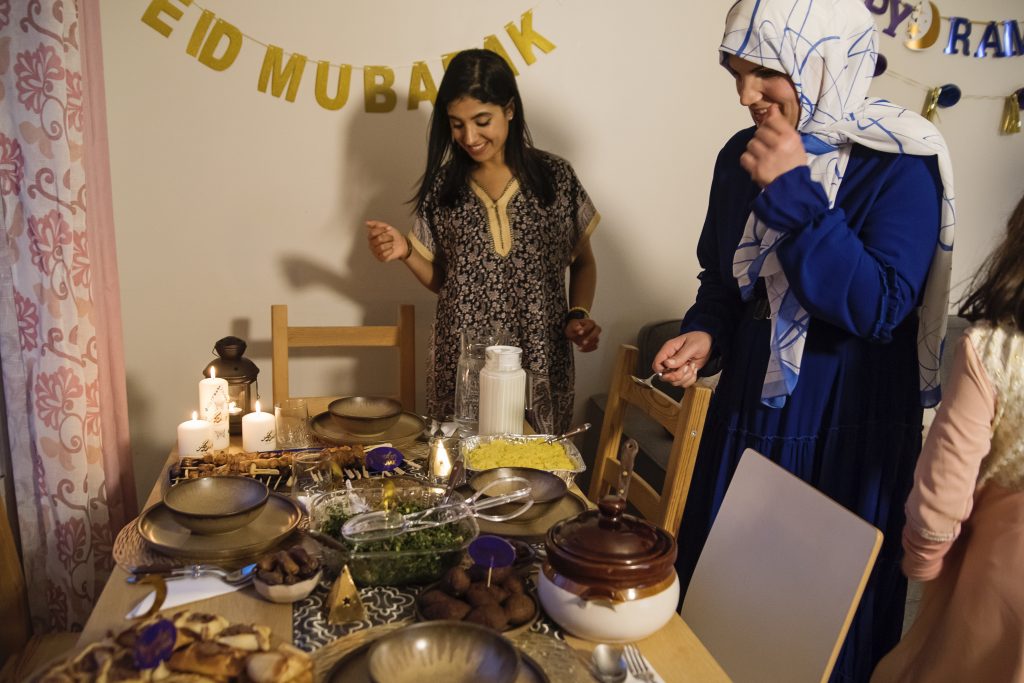
April 10: Eid al Fitr (Islam)
Eid-al-Fitr, which translates from Arabic to “the festival of breaking the fast,” marks the end of Ramadan. Muslims gather to celebrate this day of gratitude to Allah by “performing prayers, eating sweets, giving of presents, and special dinners with friends and relatives.”
April 13: Vaisakhi (Sikhism)
Though the Sikh community does not celebrate “holidays” the way other religious traditions might, Sikhs recognize certain days as significant on the Sikh Nanakshahi calendar—including Vaisakhi, which marks the birth of the Sikhi faith. Vaisakhi commemorates the traditional harvest festival in Punjab and “the day on which the tenth Sikh guru, Guru Gobind Singh, created the Khalsa Panth, the community of initiated Sikhs.” Celebrations of this festival day include visits to Gurdwaras, unique decorations, and singing of hymns.
Read: A Trans Sikh Interfaith Leader Reflects on Vaisakhi’s Meaning Today
April 21: Ridván (Baha’i)
The 12-day festival of Ridvan, which translates from Arabic to mean “paradise,” signifies for Ba’hais the 12 days that Baha’u’llah spent in the garden of Ridvan before his banishment from Baghdad in 1863. During this time, “He declared His mission as God’s Messenger for a new age and revealed the spiritual principles that are the foundation of His teachings.” Baha’is now celebrate Ridvan as the “Most Great Festival.” Bah’hais observe the three holy days of the festival— the first, ninth, and twelfth—with yearly elections of local governing councils, rest from work, and community gatherings.
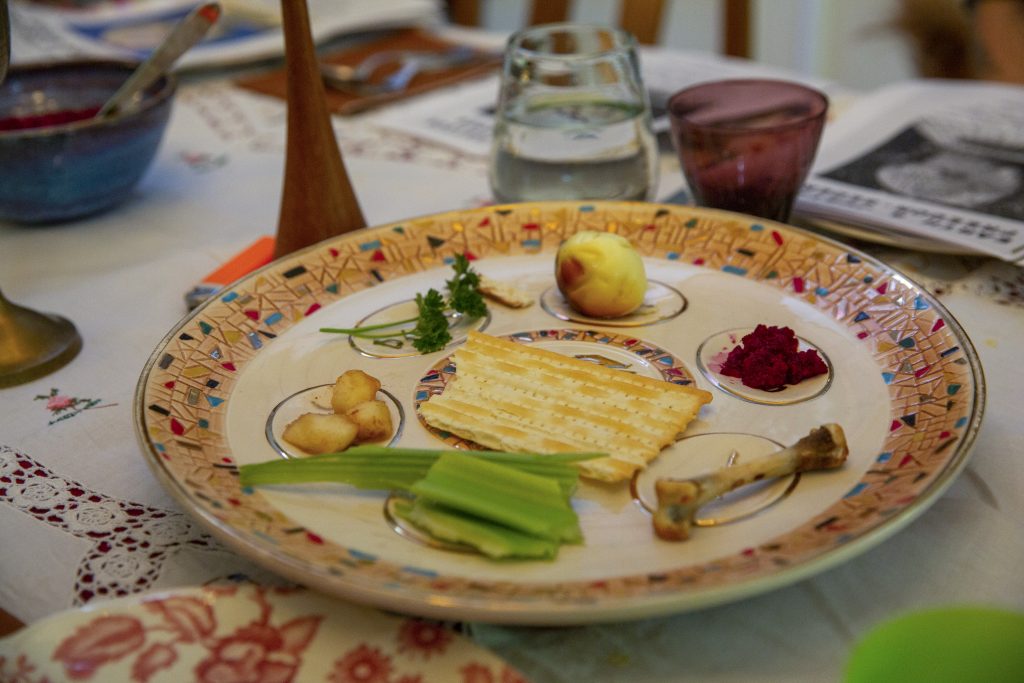
April 22-30: Passover/Pesach (Judaism)
Passover, known as Pesach in Hebrew, is celebrated by Jews to commemorate the Israelites’ freedom from slavery in ancient Egypt. Some rituals observed to celebrate this eight-day holiday are refraining from eating leavened bread or chametz, taking part in special family meals called seder, and telling the story of the Israelites’ deliverance from slavery, in which families who heeded G-d’s command were spared the death of their firstborn, preceding the Exodus from Egypt.
April 27: Lazarus Sunday (Orthodox Christianity)
Orthodox Christians celebrate Lazarus Saturday, a feast day commemorating the story of Jesus raising Lazarus from the dead—a miracle performed leading up to his arrival in Jerusalem on Palm Sunday when he was proclaimed “the long-expected Messiah.” This holy day precedes Orthodox Christians’ observance of Palm Sunday in the Julian calendar, which occurs this year on April 28.
May 1: Beltane (Pagan, Wiccan)
Beltane, which means “bright fire” in Gaelic, has its roots in Earth-based cultures. This holiday, which occurs each year on May 1, marks the midway point between the Spring Equinox and Summer Solstice and represents the beginning of summer in early Celtic traditions. The holiday was celebrated with large bonfires, Maypole dances, and flowers. Today, Wiccan and modern Pagan traditions celebrate Beltane with fire-lighting, festivals, and handfasting ceremonies, honoring fertility, creativity, and rebirth themes.