
Two years ago, on October 7, the world watched in disbelief as Hamas militants carried out brutal terrorist attacks in Israel — slaughtering individuals and families, abducting civilians, and shattering any illusion of safety. To this day, hostages remain held captive and need to be returned to their loved ones.
What followed that heinous day was a war whose devastation has at times been indiscriminate and devastating, continuing to ripple outward: tens of thousands of lives lost, entire communities displaced, and an ever-deepening humanitarian crisis in Gaza where hunger, disease, and despair grow by the day.
The suffering of Israeli and Palestinian families alike calls us to a moral reckoning — not only with the violence itself, but with how we choose to respond.
Here in the United States, that same conflict has tested the very fabric of our civic life. I’m constantly reminded of these horrors and ongoing traumas, especially from friends who have loved ones affected by what feels so far away. College campuses, workplaces and neighborhoods have become sites of grief and anger. American Jewish and Muslim neighbors have felt both unsafe and unseen. The murder of a 6-year-old Palestinian-American boy by his landlord outside Chicago, and the deadly shootings at the Capital Jewish Museum in Washington, D.C., stand as chilling reminders that hate does not stay confined to foreign borders.
Yet amid all this pain, there are still people choosing another way.
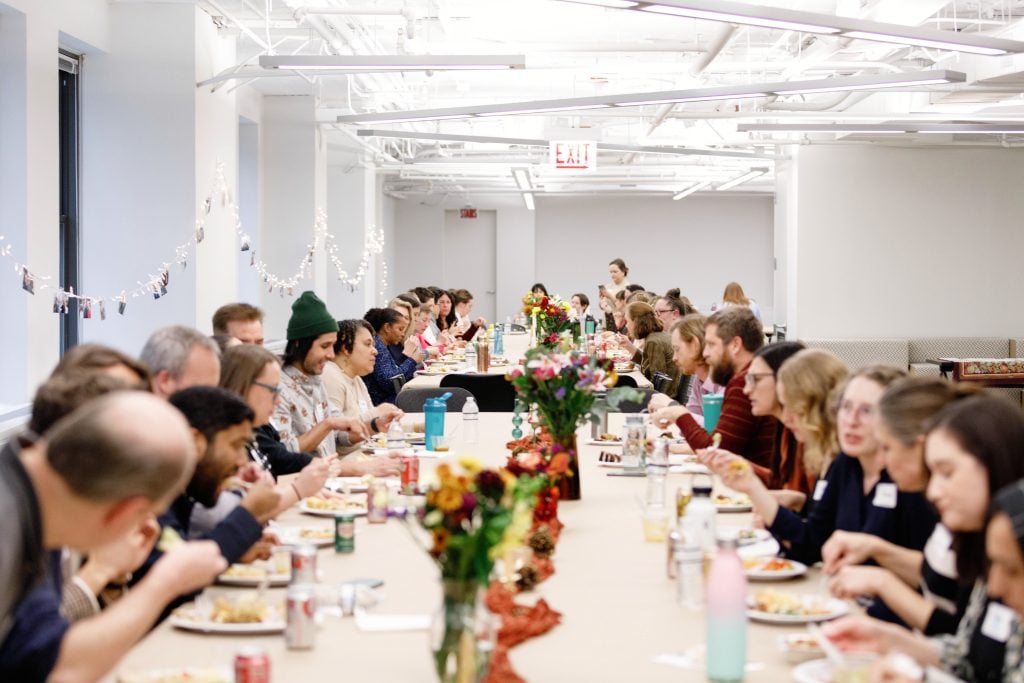
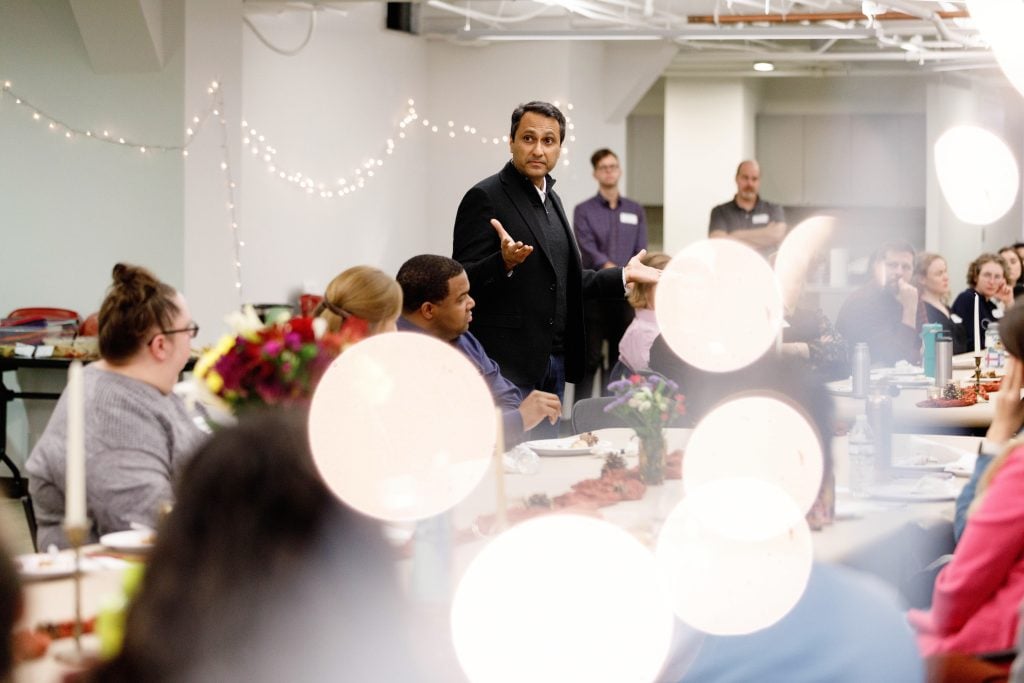
Across faiths and backgrounds, Americans are gathering in living rooms and community centers to mourn together, break bread, and serve those in need — from local food drives to interfaith vigils for peace. These shared acts of compassion may seem small, but they are the foundation stones of the society we must build.
The work ahead is clear: to face the truth of our differences without fear; to refuse the easy refuge of blame; and to commit —in our institutions and our daily lives — to an interfaith America where shared work and feasts replace fear, and where resilience and belonging grow stronger than hate and division.