Living in Courage on this Trans Buddhist Path
July 1, 2020
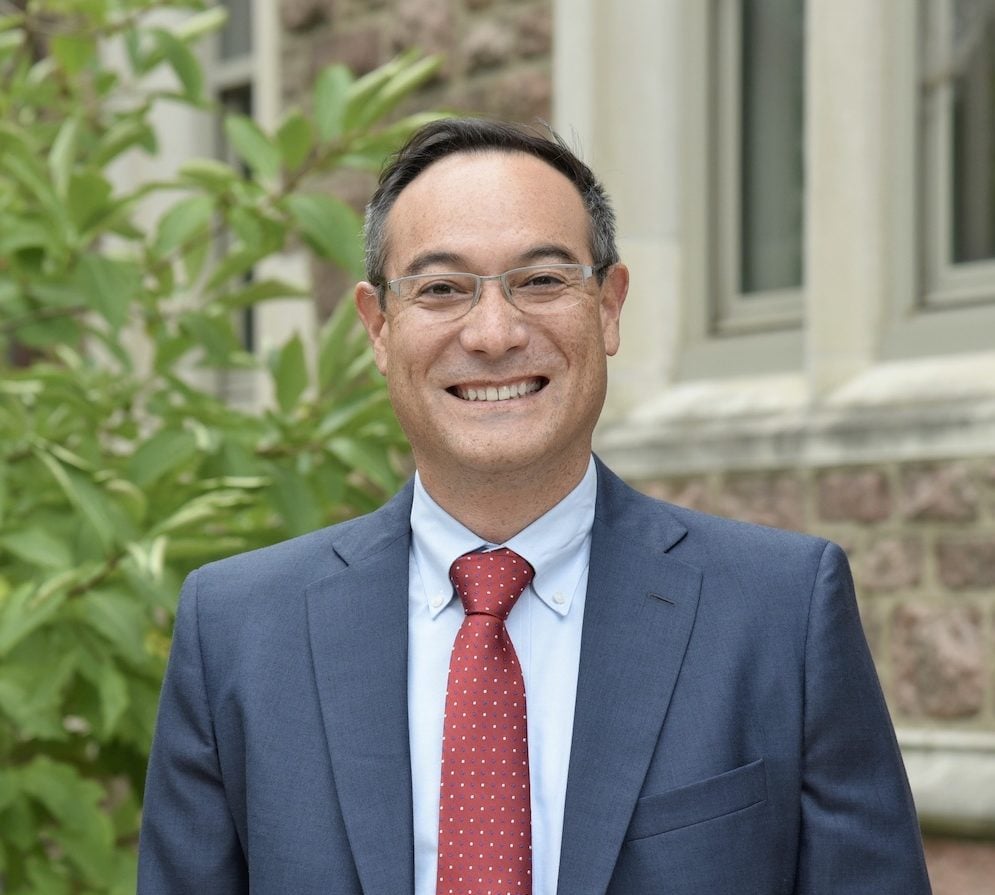
Ray Buckner is a writer and scholar. They received their MA in Women’s, Gender, and Sexuality Studies from The Ohio State University. In Fall 2020, Ray will begin their PhD in Religious Studies at Northwestern University. Ray’s academic research analyzes sexual violence in American Buddhist communities. Ray is a Buddhist practitioner who has previously worked for organizations committed to racial, religious, and gender justice. Ray writes for Lion’s Roar Magazine, Buddhadharma: The Practioner’s Quarterly, and Open Minds Quarterly. Through their writing and public scholarship, they explore subjects of sexual trauma, queer and transgender desire, mental health, and racial injustice.
As I write, I’m listening to the song “Please Don’t Live in Fear,” by Bon Iver. Please don’t live in fear. That’s a lot to ask, for there’s a lot to fear about living in this moment. So many groups in our society suffer in constant fear. Black people live in fear of police brutality. Immigrants live in fear of deportation. Muslim women live in fear of over-policing and harassment through airports. Trans folks live in fear of denials of healthcare. Non-binary folks, women, and people of all genders live in fear of sexual violence. Of course, so many of us live at these intersections—afraid of denial of healthcare for being poor and trans, afraid of sexual violence by police for being black and a woman, afraid of deportation for being trans and Latinx. As people of faith, what is our responsibility to transform the injustices of our society?
On June 12, 2020, we learned that the Trump administration “finalized a rule that would remove nondiscrimination protections for LGBTQ people when it comes to health care and health insurance.” For transgender Americans, this means we can be denied healthcare not only for transgender-related surgeries but for any form of healthcare at all. We can die because a doctor does not believe in who we are. We can needlessly suffer because doctors and insurance companies fundamentally take issue with our existence. This is devastating.
It’s not an easy thing to be transgender. The Trump administration’s decision reinforces the structural and interpersonal suffering often endemic to being trans in this country.
I grew up thinking my trans and the queer frame wasn’t deserving of goodness, or care, or love, or softness. Sometimes, I still don’t. I know for a long time I couldn’t stand the concept of impermanence. I remember learning about impermanence in my early years of studying and practicing Buddhism. Impermanence scared me. Things could leave? I have nothing solid to hold onto? Living in this trans body, I felt things would leave because I caused them to leave. I felt I would lose everything because I deserved to lose everything. I took impermanence very personally because I knew the personal was trouble. I knew the personal was a space where my heart and body were fraught, and where many people would choose to leave what I believed to be an empty and unimportant frame if they could. Impermanence is what made transitioning so scary.
It’s hard to see ourselves with honesty and to meet ourselves with compassion. It’s hard to see all the pain we’ve lived. It’s hard to see how our families and faith communities and government have treated us. I have spent so much of my life suffering. And yet amidst this suffering, I have tried to cultivate courage. I have tried to honor my existence.
On January 10, 2020, I sit in the office of Equitas Health, a trans and HIV positive health center in Columbus, OH. I wait for my doctor to arrive. I’m there to start testosterone. I arrive feeling like I want to start testosterone but I don’t want to lose my family. I arrive feeling so deeply at war. Shouldn’t I be happy on the day I start testosterone?
I shared these worries with my doctor. I asked her if it was okay to feel sad when I should feel something so very different. She spoke of impermanence. She explained how the path of being transgender is not a simple one. It is a complicated journey that means something very different to each and every person. She reminded me that it is alright to abide in the complexity of this decision because this decision while the right is complex. I didn’t know I was allowed to feel all these things at once. I didn’t know complexity was an option.
The moment she acknowledged my complex journey was the moment my heart became soft and free. I didn’t have to deny my sorrow in order to start testosterone. I didn’t need to become happy in order to make the decision to begin. I could come as I was. I could be as I am. Traveling downstairs to the pharmacy to learn how to inject testosterone into my body for the first time, abiding with the complexity of this moment, I felt so very briefly free. Being met with understanding and excitement for my path, amidst a terrain of judgment and oppression, was a crucial and life-giving moment.
How can we honor our existence? How can we make this life more livable for each and every one of us? For me, the answer brings me back to my faith. Buddhism is about seeing and understanding the interconnections of all phenomena. It’s about understanding that what affects me fundamentally affects you. That the privilege I have as a white trans-masculine person intimately connects with the oppression and violence endured by black trans women in this country. Each of our existences interconnects. Buddhism calls me to see clearly into the nature of suffering, and to transform that suffering so that living, for each of us, can be a source of home and refuge.
This is the beauty of my faith. This is the beauty, likely, of each of our faiths. We see the suffering of the world, and we meet it. We see the suffering of our loved ones, and we meet it. We see the suffering of our hearts, and we meet it. We help forge a more genuine and beautiful and compassionate world. We help make a world guided not by hatred and injustice, but by liberation and radical belonging. This is our beautiful path. This is living free. This is justice.
Share
Related Articles
Interfaith Inspiration
Virtual Communities are Critical Lifelines for Transgender Sikhs
American Civic Life
We Commemorate, We Commit: Out of Catastrophe, a Conversation on Connection and Repair
Racial Equity
‘We’ve Been Here All Along’: Author Pushes Back Against Erasure Of Young Asian American Buddhists