Indigenous Mormons Struggle to Balance Pride in the Faith with LDS History
January 11, 2022
(RNS) — When Sarah Newcomb was in the third grade, she and her classmates got their choice of roles in the Thanksgiving play — a Pilgrim with a buckled hat or a Native American wearing a feathered headband.
Growing up in Virginia as an ethnic Tsimshian, a Native Alaskan people, Newcomb was the only Indigenous person in her class, and she was proud of it. She went straight for the headband, but was surprised to see every other child pick the Pilgrim hat.
When she got home, she asked why there weren’t more brown girls with long, dark hair like her. What happened to all the other Native people?
“We had this religious lesson about how our ancestors had turned away from God, and there was a lot of trauma that happened to Native Americans as a result,” Newcomb said. “We were lucky, because a lot of us survived, but many didn’t.”
Newcomb was raised in The Church of Jesus Christ of Latter-day Saints, which has traditionally taught that Indigenous Americans are descended from a group called the Lamanites, who were cursed by God after rebelling against their more righteous neighbors, the Nephites.
In the wake of a national reckoning over race and justice, more Indigenous members of the faith and ex-members, like Newcomb, are taking issue with this theology and historical injustices the church has carried out against Native Americans.
“It’s using Indigenous people for their own truth claims, regardless of how Indigenous people feel about it, or what the cost is to Indigenous people,” said Newcomb, 44, who runs a blog called Lamanite Truth.

Sarah Newcomb. Courtesy photo
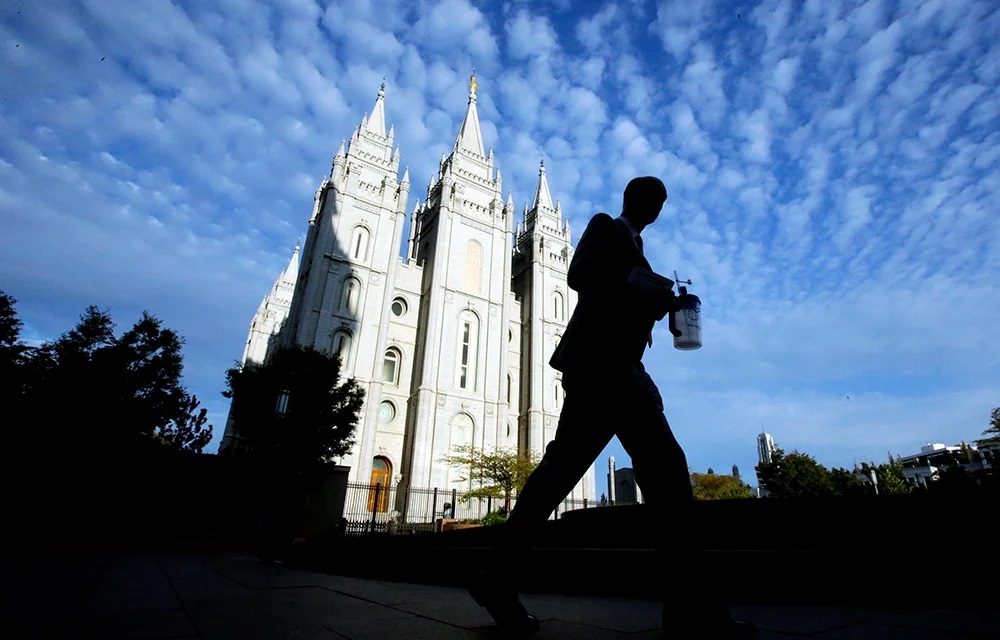
A man walks past the Salt Lake Temple at Temple Square in Salt Lake City on Sept. 14, 2016. (AP Photo/Rick Bowmer)