How to Organize a COVID-19 Vaccine Town Hall Meeting, a Planning Guide
April 22, 2021
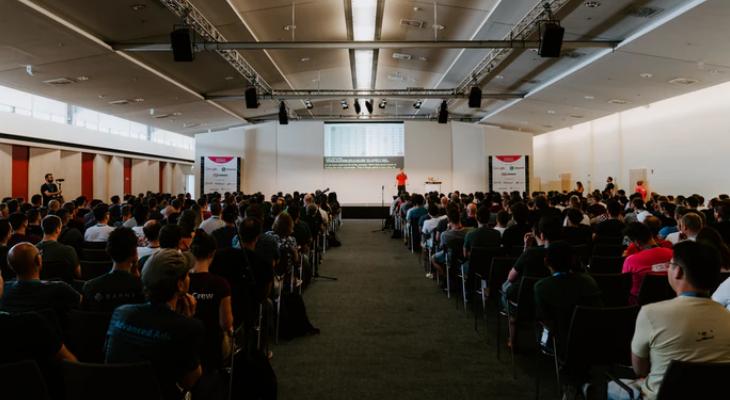
Town hall meetings are convenings that present the general public with an opportunity to discuss shared concerns, to pose questions that are of public interest, and to inform communities about emerging issues.
IFYC’s research has revealed that town hall conversations in religious communities remain an effective tool for answering critical questions that communities have about the virus and vaccines. As various communities consider the efficacy of COVID-19 vaccines and navigate the physiological and psychological toll of the virus, town halls can be a space wherein community members can be presented with resources and accurate information, as well as engage in conversation to shape their own perspectives.
Step-by-step Guide to Plan a Town Hall Meeting
Phase 1: Identify Your Audience
There are a wide-range of issues and concerns that communities have with regard to COVID-19 vaccines. While some concerns are related, many are particular to the history, geography, and identity of the community itself. Consequently, your town hall must center the voices and experiences of those in your community. Here are some questions to consider as you begin planning:
Phase 2: Enumerate Your Objective
Be clear about your intention for the town hall. Time will be limited, so setting a clear objective is crucial. We recommend selecting 1-2 topic areas per town hall. As you narrow down your issue area, here are some common objects:
Your chosen objects will inform your speaker’s list and the format of your town hall.
Phase 3: Choose A Facilitator and Guest Speaker(s)
We recommend that you choose a facilitator that is well-respected in your community–a pastor, a community organizer, a teacher, or a doctor. This will ensure that there is buy-in from the community and a trusted messenger alongside guest speakers. In deciding on guest speakers, you should consider your objectives. Ask yourself, “Who is the best person to deliver information about [issue area] to my community?” Once you decide, take time to equip these individuals with the goals and audience information to be an effective partner to you.
Phase 4: Choose Format
As COVID-19 restriction ebb and flow, we encourage you to adhere to the latest CDC guidelines when deciding to convene in-person or virtually. Below is a mock schedule that is universally applicable:
11:45am – 11:55am – All speakers are prepared to begin the event and logistical issues have been resolved.
12:00pm – 12:10pm – Facilitator welcomes everyone into the space, sets ground rules, provides format, and introduces speakers.
Note: We recommend clearly establishing ground rules prior to launching the discussion. Setting the right tone will be crucial to ensuring the effectiveness of the conversation, as audience members will enter the conversation from different perspectives. To avoid any appearance of judgement or coercion, we suggest adopting some or all of the commonly used ground rules below:
We encourage you to reference the ground rules throughout the discussion as reminder for all that are present.
12:10pm – 12:40pm – Speaker(s) are presented an opportunity to share their story and/or experience.
12:40pm – Audience members are presented an opportunity to pose questions to panelists.
12:55pm – Facilitator wraps up the conversation
Phase 5: Debrief and Next Steps
Once the town hall has concluded, setting time aside for a debrief will present you a chance to discuss salient questions and/or concerns that came up during the town hall. The insights gleaned can inform your next town hall and/or shape the information that you distribute to your community in the coming months. Consider individuals that may benefit from individual follow-up – were there questions posted or opportunities raised in the session that you could engage proactively on a personal level?
Share
Related Articles
American Civic Life
Faith Based Efforts Work in Vaccine Uptake: Now Let’s Make it Easy
American Civic Life
American Civic Life
As Vaccine Mandates Spread, Employers And Colleges Seek Advice On Religious Exemptions