Practicing Islamic Virtues In a NYC Hospital
April 14, 2020
On March 31, the U.K. mourned the loss of its first four medics to die from coronavirus, all four of whom were Muslim. As a Muslim physician myself, I was extremely saddened by this news, but also felt a deep sense of pride. Their sacrifice for the greater good will never be forgotten and exemplifies the values of both Islam and the medical profession. While tragic, this Covid-19 pandemic has provided many opportunities for Muslims to uphold the core values of our religion.
These Muslim doctors worked alongside health professionals of countless backgrounds – Hindus, Sikhs, Jews, Christians, atheists, among others – who are all inspired to heal by their own tradition. Islam highlights the importance of collective service. The Quran says that all communities should motivate each other to do good deeds and to collectively promote what is right (Quran 2:148, 3:104).
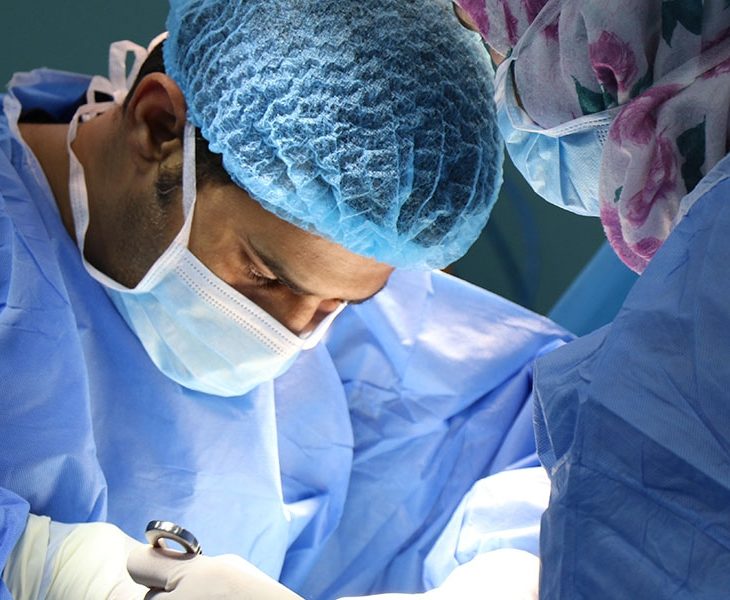
I have observed this spirit firsthand at the hospital where I work in New York City. Healthcare workers of all stripes are putting in longer hours, giving up elective time to staff intensive care units and carefully helping each other ration our limited supplies. I have also been blown away by the solidarity and kindness observed across medical disciplines. The residency programs began an informal “pay it forward” initiative, where each specialty sent a massive care package to another group to thank them for their hard work. Surgery, emergency medicine, internal medicine, anesthesiology, environmental/custodial staff, and respiratory therapy have all contributed to this wonderful effort. In regular times, we would argue with each other and complain about how each of our disciplines works the hardest; during this pandemic, we are all in this together.
As a Muslim, I believe that serving others and preserving the sanctity of human life are paramount. I was motivated to enter medicine due to a verse in the Quran that equates saving one life to saving all of humanity. While hospitals are struggling to treat the rising number of Covid-19 cases with limited resources, my colleagues and I avoid despair by seeing every single life saved as a huge victory. During unfortunate times when a patient dies, comforting grieving family members reinforces our sense of shared humanity.
One does not need to be a healthcare worker in order to serve; I have seen communities organize food delivery programs, mask-donation projects and numerous other charitable efforts. The Quran also outlines specific groups that should be prioritized in receiving charitable donations, such as those unable to work or those overburdened by debt (Quran 9:60). These guidelines may be helpful in crafting the response to the economic hardship caused by Covid-19.
Islamic tradition even provides guidance on social distancing. The Prophet Muhammad (Peace be upon him) is reported to have said, “If you hear of an outbreak of plague in a land, do not enter it; but if the plague breaks out in a place while you are in it, do not leave that place (Bukhari).” This advice came into practice soon after the Prophet (peace be upon him) died, as a plague broke out in Amwas (modern-day Palestine). In 2020, Muslims who follow social distancing guidelines to reduce coronavirus transmission are providing incalculable service to humanity and following in the tradition of numerous Prophetic companions who helped each other through a similar pandemic.
One silver lining in this pandemic is that it is truly universal: people of all religions, genders, nations, ages and health status may be affected. This is the time to create a new sense of shared global purpose. Many healthcare systems have invoked images of a battlefield; while the challenges are similar, we are facing an unseen and universal enemy, the coronavirus itself. Therefore, we must avoid the tendency to scapegoat or “otherize” minority groups. There have been numerous reports of a rise in hate crimes against people of Asian background. Islam absolutely condemns racism in all forms and emphasizes that God created mankind in diverse nations and tribes so that we come to know one another (Quran 49:13).
Those four Muslims, Drs. Alfa Sa’adu, Amged el-Hawrani, Adil El Tayar and Habib Zaidi have shown the path forward. Despite the Islamophobia coming from the highest levels of British government, these physicians came out of retirement and gave the ultimate sacrifice while placing their nation’s well-being before their own. Healthcare professionals of all backgrounds are fighting this virus not for any worldly rewards, but because we are called by our numerous faiths (or non-faith traditions) to serve mankind. We call on the rest of humanity to join in our struggle and help vanquish coronavirus.
Aamir Hussain is a resident physician specializing in dermatology. Aamir holds an MD and Masters in Public Policy from the University of Chicago. He is a practicing Muslim who has been involved with interfaith activism since his undergraduate studies at Georgetown University. He is currently treating patients with Covid-19 while working at hospitals in Long Island, NY.
Share
Related Articles
American Civic Life
American Civic Life
American Civic Life
The Interfaith Legacy of Muhammad Ali: “The Wise Man Changes”