How Indigenous Religions Can Widen the Interfaith Circle
October 8, 2021
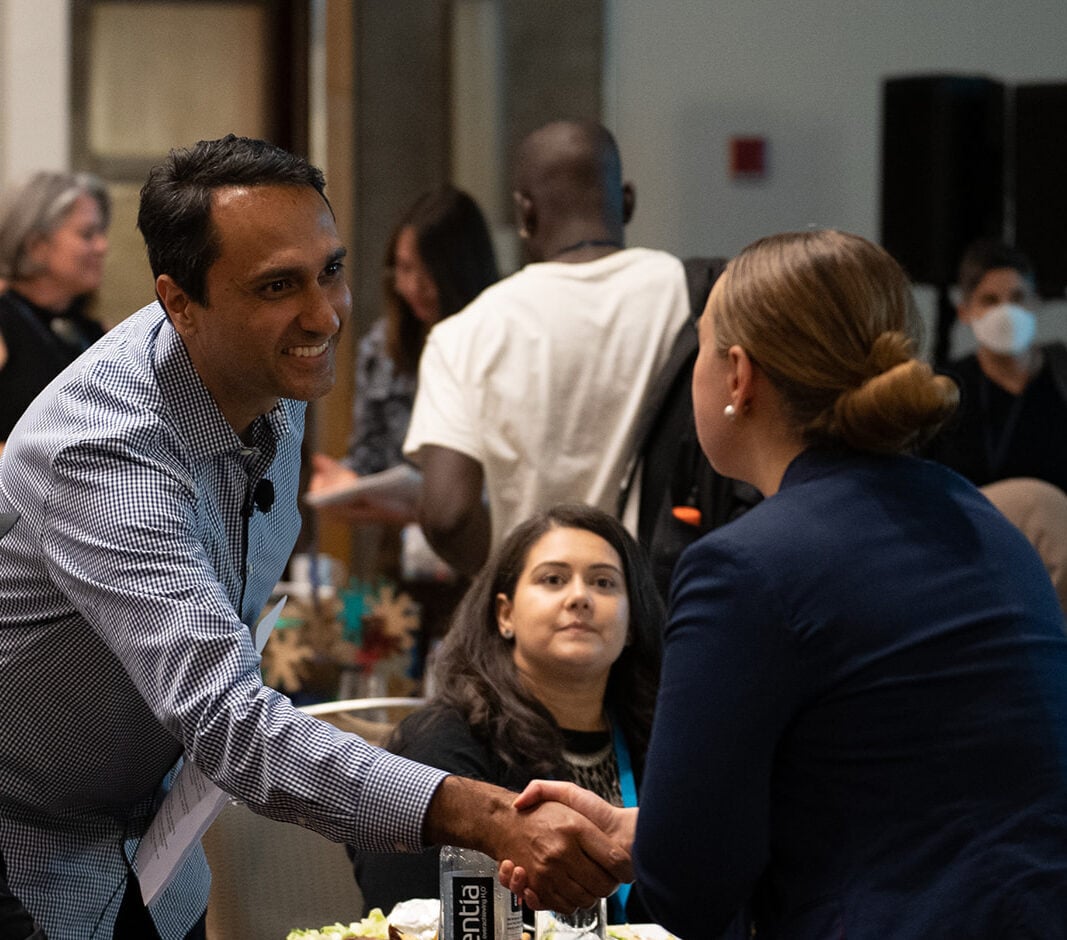
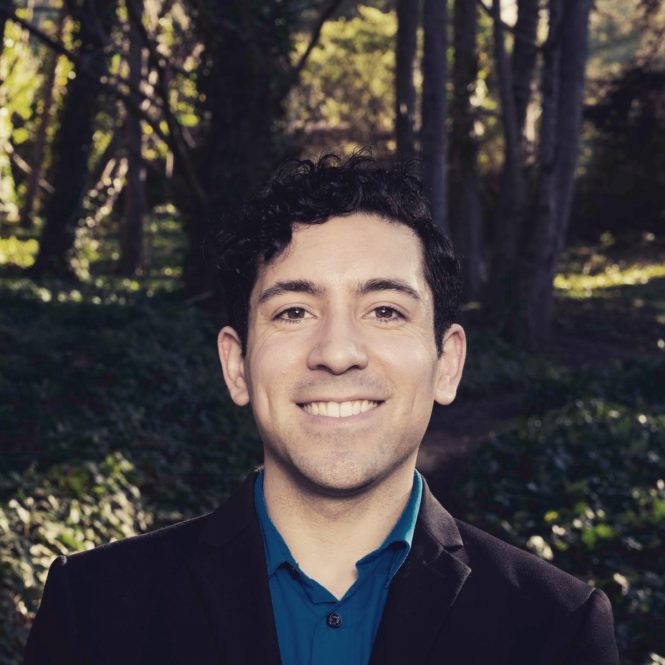
In recognition of Indigenous Peoples Day on Monday, Interfaith America managing editor Monique Parsons spoke with Abel Gomez, Andrew W. Mellon Post-Doctoral Fellow in Native American Studies at the University of Oklahoma, about contemporary Indigenous religious practices and the role of interfaith leaders in and around Indigenous communities.
Parsons reached out via Zoom from Chicago, which is located on the lands of Council of the Three Fires — comprised of the Ojibwe, Odawa, and Potawatomi Nations — as well as the Miami, Ho-Chunk, Menominee, Sac, Fox, Kickapoo, and Illinois Nations. Gomez spoke from within the traditional lands of the Caddo Nation and Wichita and Affiliated Tribes in the area now known as Oklahoma City.
You can listen to an audio portion of the interview here.
Often Native people fundamentally understand themselves as being from and of a place. In that place, often there’s a sense that that landscape is alive with sacred power.
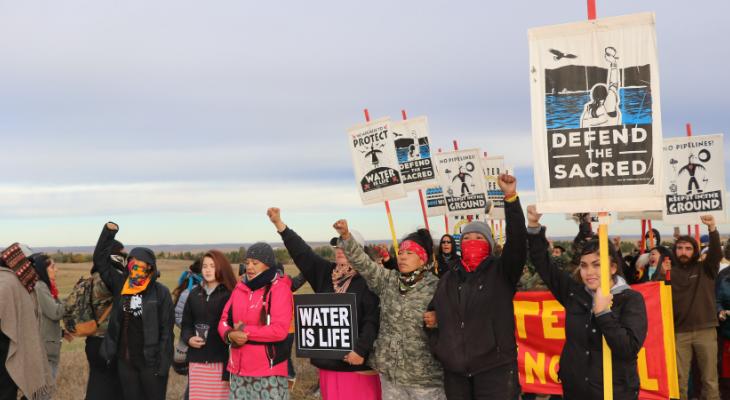
AG: It’s important to understand that different sacred sites have different meanings. Part of the reason it’s important to think about, especially in an interfaith context, is that historically Native traditions have been severely persecuted by the federal government. It wasn’t until 1978 with the American Indian Religious Freedom Act that Native people had the legal right to practice their ceremonies.
One of the interviews that I did as a master’s student, an Ohlone young man said, “Our language comes directly from the land, so when we speak it the land can hear us again.”
All of these histories really invite us to think critically and deeply about what kind of future do we want? We actually have the power to create that, when we listen, when we come humbly, and when we do the work of being good relatives to one another.
Applications for IFYC’s Racial Equity & Interfaith Cooperation Awards are now open! Applications for college and university faculty and staff are due Nov. 21. IFYC alumni applications are due Oct. 28.