Conversations with Eboo: Steve Sarowitz
June 26, 2020
A White Businessman Fights Racism Inspired by his Bahá’í Faith
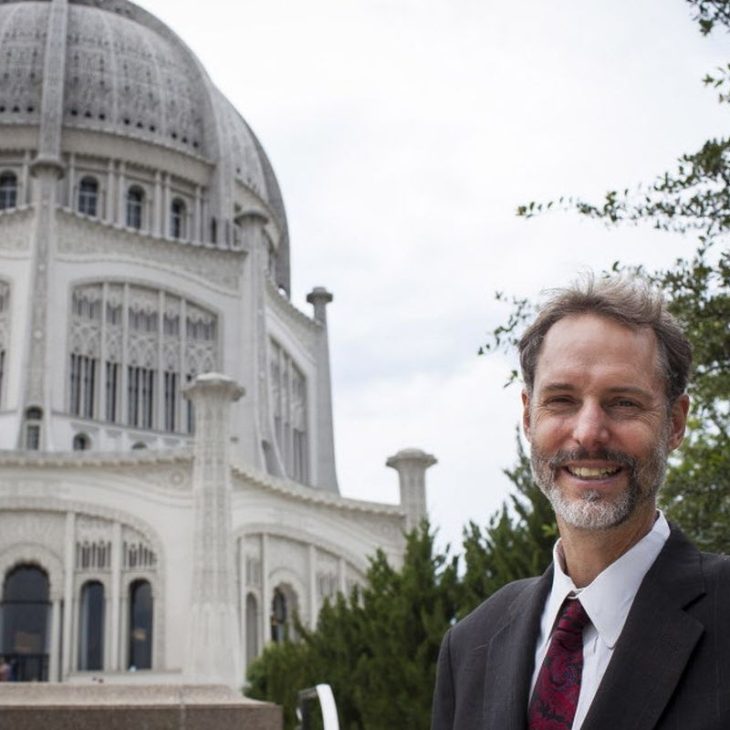
Steve Sarowitz is one of the most successful businessmen in the world. Just Google him.
As a general rule, people who run companies don’t like upheavals. It makes the environment unpredictable, and companies love predictability. ‘Plan the work and work the plan,’ is what they teach you in business school. An upheaval means those plans are laid to waste.
But Steve Sarowitz is not your average businessman. He welcomes this upheaval. Here’s what he told me when we talked by phone on June 16:
“If the system is broken, you can’t keep the system, even if it’s messy to get rid of it. We literally have people dying because of the problem of racism. That’s more important than my business. It’s more important than anyone’s business. There are people who live twenty miles away from me who have a totally different life experience because of their skin color and zip code. That’s just unacceptable.”
The stark view outlined above comes from a place of deep faith: Steve is a Bahá’í and Bahá’í’s believe, above all else, in the oneness of humanity. Racism, says Steve, is America’s biggest problem, the largest impediment our nation has towards achieving oneness. He quotes a line from the Bahá’í faith: you cannot be rich while other people are poor and be happy.
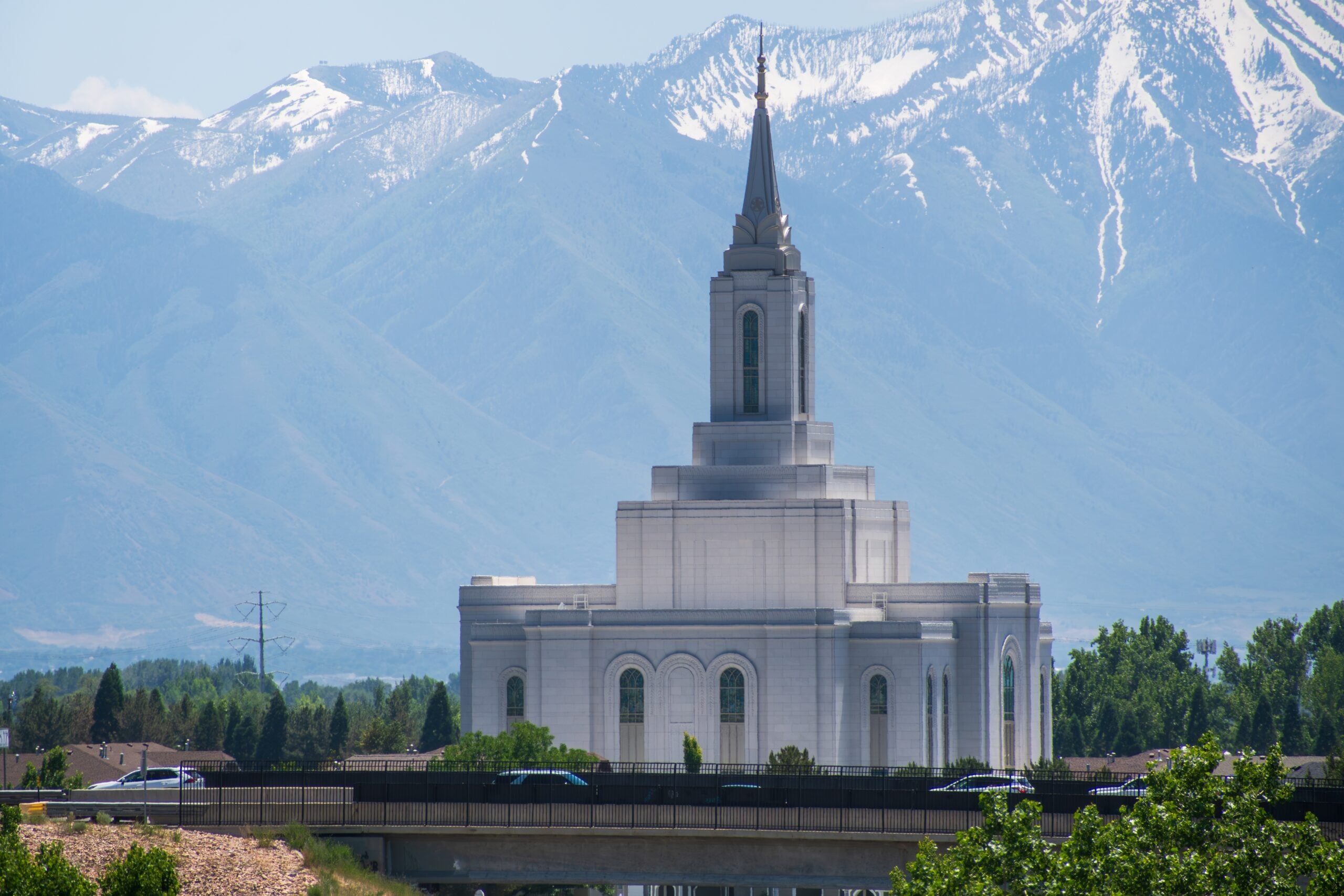
Steve and I both live in the Chicagoland area, home to a beautiful Bahá’í Temple, and to a rich history of Bahá’í efforts at ‘racial amity’.
Abdu’l-Bahá (who led the Bahá’í faith from 1892 until 1921, and was the eldest son of the founder, Baháʼu’lláh) visited Chicago in 1912 and addressed the Fourth Annual Conference of the NAACP: “Can we apply the test of racial color and say that man of a certain hue – white, Black, brown, yellow, red – is the true image of his Creator? We must conclude that color is not the standard and estimate of judgment and that it is of no importance, for color is accidental in nature. The spirit and intelligence of man are essential …”
Amongst the prominent Black Chicagoans that Abdu’l-Bahá met with was Robert Abbott, the founder of The Chicago Defender and the Bud Billiken parade. Abbott was seeking religion without racism, and he found it in the Bahá’í faith. He converted some years later.
Steve can rattle off numerous examples of Bahá’í influence on matters of racial justice beyond Chicago. Martin Luther King Jr and his wife Coretta both knew Bahá’í ’s growing up. W.E.B. DuBois was married to a Bahá’í. Alain Locke, often called the Father of the Harlem Rennaissance, was a Baha’i. Michelle Alexander, the author of The New Jim Crow, grew up in the faith.
Cumulatively, these examples have had a deeply personal impact on Steve. “As I became a Bahá’í in my heart, the quantity of love in my heart increased, and I started to listen to people more, especially people of color.”
He shared a story with me. “I’ve had a friend for forty-five years, a Black friend, who I went to high school with. They were the first Black family to move into the neighborhood. He was a popular kid in high school, an excellent athlete, on both the basketball team and the golf team. Not long ago, I asked him ‘What was it like growing up as the first Black family in our neighborhood?’
“He rattled off a list of things that happened to him that he never talked about with us when we were growing up. Here’s just one example: He got pulled off the golf course during a high school golf tournament because of his skin color. Can you imagine that – being on the golf team and being pulled off the course because you were Black? A white person just has no comparable experience to that.”
In addition to cheering the protest movement, Steve is fighting racism in his capacity as a businessman, philanthropist, and executive producer of films. He talks about it as “amplifying Black voices and Black stories by leading from behind.”
His film company recently acquired the story of Ronald McNair, a Black astronaut who died on the space shuttle Challenger in 1986. “We’re going to do it with Black actors, Black directors, Black producers.”
Steve concluded our conversation with the following statement: “If anyone is experiencing the injustice of racism, then I am experiencing it – and I am responsible for it. We have to hold this moment, and we have to fight. Because racism is a dragon, and it’s not going down without a fight. We have to be loud and proud and say, ‘Black Lives Matter.’ White people need to learn to listen to, love, and support our Black brothers and sisters as full equals.”