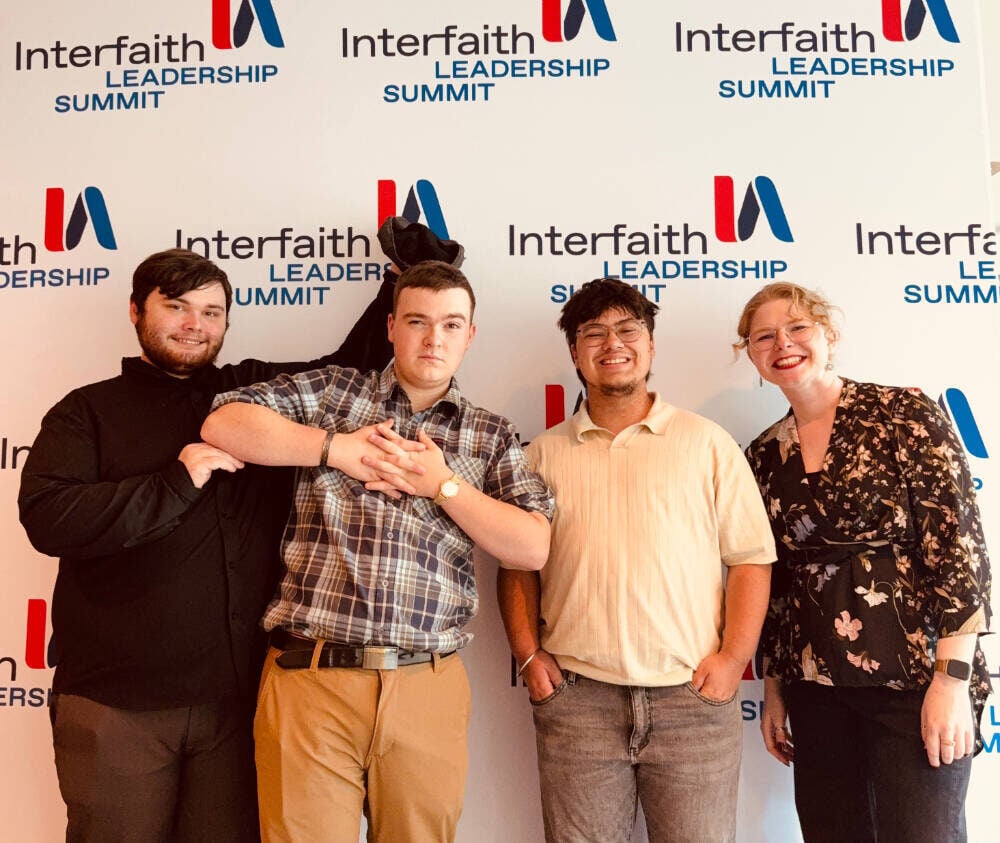
Allen Reynolds is part of Black Interfaith Fellows. This essay is a reflection of his project as he creates connection in religious spaces to both foster understanding and challenge people to through intentional questioning.
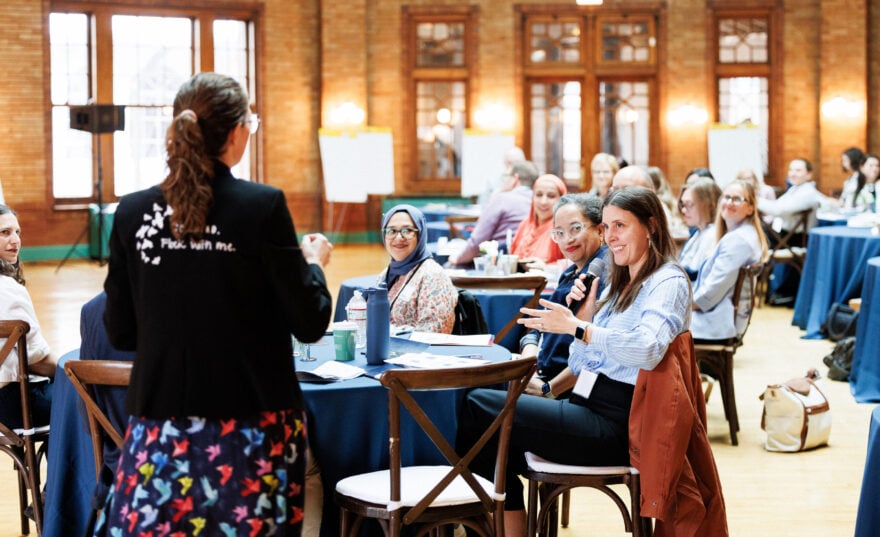
As we finished our Bible study for the month of November for my diverse congregation, I decided to start with questions from the members of the group.
I asked the group what they felt they wanted to learn before we finished our study for the month. I had titled the sessions “Interfaith Inquiry,” because we would be doing interfaith exploration as our weekly Bible Study for the next six weeks. I wanted to get a sense of what questions they had, and what outcomes they wanted, as they approached different religions and thought about our own Christian faith.
One of the key questions that was raised was “what do different religions have in common?” There are many ways to answer that question, but I gave a few answers from the top of my head and then committed to exploring more for the future.

Before our first week in October, I saw a social media post from one of my Bahai friends who I had met during an interfaith program.
She posted a graphic of what I will call the wheel of world religions. Next to each religion, instead of just a symbol, it had each religions version of “the golden rule.”
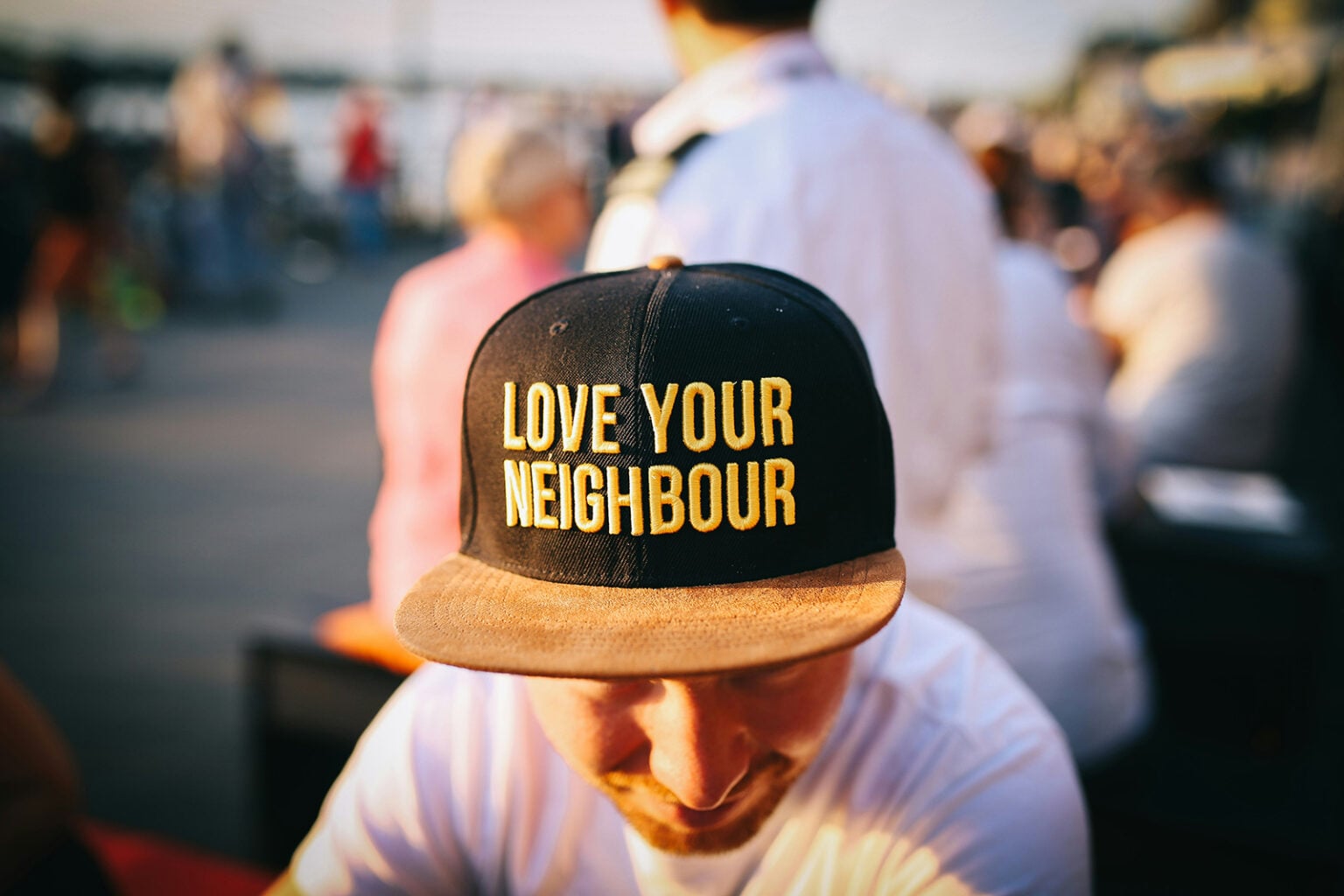
I was struck. I had known that the commandment “Love your neighbor as yourself,” was very important in both Christianity and Judaism. But I did not know the ways it had appeared in other religious traditions, even though I had a sense that it was common.
The first session, as I introduced the group to interfaith inquiry, I began by showing them that graphic from my friend. I made the assertion that most major world religions are very different in terms of what they believe.
Each tradition has a different reason why we should treat one another with mutual care, but the call to care for others remains the same.
They have different ways of thinking about the divine, different ways of considering the creation of the world, different views of ultimate destiny, different ways to categorize sacred spaces, and different rituals to honor their traditions.
But they all share a common basic ethic about human treatment, that we should treat one another as if the other is just as valuable as themselves.
Each tradition has a different reason why we should treat one another with mutual care, but the call to care for others remains the same.
As the group looked at the graphic and I read each quotation out loud they voiced a sense of awe and excitement. “We all…all religions,” said one woman. I interjected, “most major world religions…” She responded, “most major world religions all believe we should treat people the way you want to be treated. That’s amazing!”
Yes, we may have many differences of belief, culture, history, experience, but we share a broad common call to care for one another. With that foundation established, we spent the next several weeks talking about many of the differences between religious traditions. The differences are fascinating, but the commonality is what gives us hope.
In a world of deep divisions, we have a common language for how to care for each other.