Interfaith Solidarity as Radical Optimism
April 7, 2020
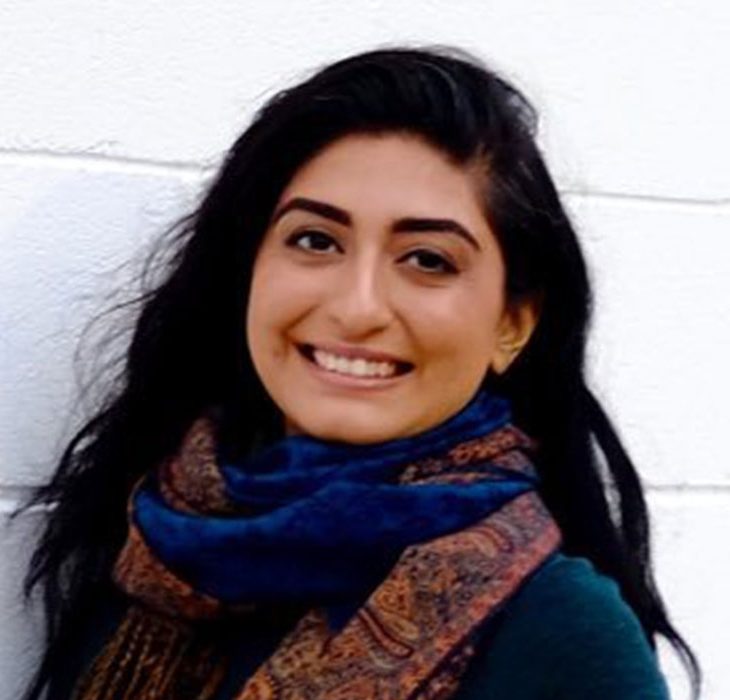
When word first reached me about the severe Covid-19 outbreak in New York City, I was spending the weekend with my family in Virginia. We were mourning the loss of my great uncle whose funeral we attended just a couple of days prior. I had plans to return to the city, but given quick developments on the state of the epidemic, I faltered. Like many people, I was at a loss for knowing how to proceed.
Quicker than I could’ve imagined, my life and the lives of my loved ones changed dramatically. Union Theological Seminary, where I’m a graduating Master of Arts student, announced that all classes would move online and that our commencement ceremony was cancelled. Campus closed, and students were urged to leave New York City if they were able. Amidst these changes, I sensed among my Union Seminary peers a deep grief for the loss of normalcy, security, and community. I mourned with them. Nothing and no one prepared us for this. But while we sat with the heaviness of this grief, many of us understood the need to preserve what we could.
I’m truly moved by how quickly Union Seminarians sprang into action, identifying opportunities to build and create in a landscape of despair. Students from a variety of faith backgrounds—Buddhist, Christian, and unaffiliated, in particular—created and shared virtual opportunities for prayer, meditation, contemplation, and support that help bring us closer to each other and to Divinity. Many took to sharing local mutual aid opportunities and resources on disability justice. Those in leadership positions with the Student Senate and campus affinity groups immediately organized to represent students’ needs to the seminary’s administration.
Concerned for students facing food and supplies shortages in the city, I offered to source and transport what I could from Virginia in a car. I spent three frantic days collecting food, medical supplies, and personal care products from countless grocery stores and pharmacies. It wasn’t much. By this time stores along the east coast were facing severe shortages of just about everything, but I made the five-hour trip and delivered what I could.
Since returning to New York, I’ve been working in my capacity as co-leader of Union’s Interfaith Caucus to help meet the spiritual and emotional needs of my peers. We’re in the midst of organizing virtual caucus meetings and peer-to-peer support. We’re crowdsourcing a list of virtual religious and spiritual gatherings to offer as a resource to the Union Seminary community. And, we’re working with Union’s Chapel Team to offer public prayer and reflection that more accurately represents the diversity of perspectives and traditions at the seminary.
The last three weeks have been a whirlwind. I’m tired and bereaved for the loss of a loved one and the loss of a community. I also feel deeply connected to my peers and my family in a way that I have never experienced before. This feeling, to me, is chardi kala, the Sikh principle calling us to embrace “rising spirits in the face of hopeless odds.” The spirits rising in me are love, radical optimism and imagination—emotions that feel at odds with the grief I experience looking out of my bedroom window and seeing empty New York City streets. But Sikhi tells me that these feelings are not at odds: Chardi kala means I can hold the grief I feel and, at the same time, do my part through seva (selfless service) to manifest a better, more secure, more loving present and future for my communities. Seva and chardi kala are central to Sikh theology. I see it in the Sikhs across the world providing meals to those in need during the pandemic.
But, I also see it in the unrelenting support I receive from my Union Seminary peers—the most interfaith community I’ve ever experienced. This time of crisis has brought new meaning to “interfaith solidarity” for me. At times it does look like prayer, meditation or empathetic contemplation. More often, though, it looks like radical optimism and boundless love in the form of shelter, resources, mutual aid, counseling, friendship, or even a simple text message.