
Faith leaders can bring a unique perspective to bridging the widening political divides between generations. Bishop Vanessa Brown, DMin, is the Senior Pastor of Rivers of Living Water congregations in New York and New Jersey. She doesn’t have biological children of her own, but she calls the people of her congregation and her community “children of the Spirit,” and she works to help them build radically inclusive, deeply caring communities – and voting is an important component of these intentional communities.
Intergenerational Wisdom
Reflecting on her own life, Brown is clear about the impact of intergenerational investment in her life and her voting. Growing up, folks in her Harlem community walked her across a busy street and home from church, organized summer jobs for the local high school kids, and helped her fill out her voting registration when she turned 18. Growing up as a queer, African American woman, Brown navigated challenges of acceptance in her family, her community, and her church. While she acknowledges challenges, she speaks mostly about the importance of love and acceptance she experienced, and the value of intergenerational investment in her life. Her own grandparents were sharecroppers who valued their right to vote as sacred.

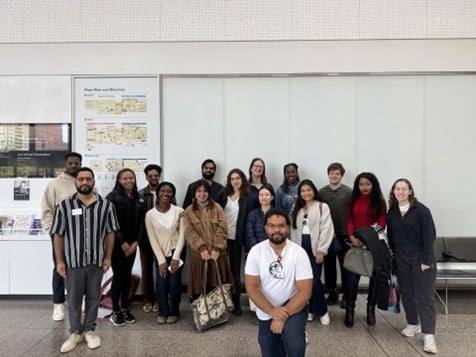
Brown identifies an ongoing need for new stories about voting in African American communities. She thinks these stories need to build on the traditions of King, Chisolm, and the Civil Rights movement, which she calls the “people died for your right to vote” story, to connect with the stories and passions of younger folks involved with Black Lives Matter and current social justice movements. To address this need, Brown recently hosted multiple intergenerational and interfaith events to promote conversations about voting and to promote trustworthy information about elections using the Faith in Elections Playbook, including one in March 2024 called the “Power, Presence, & Plan to Vote” in partnership with Interfaith America, Yale Divinity School (YDS), the Greater Bridgeport Prevention Alliance, and her own congregations, Rivers of Living Water. The event expanded to include children after an attendee called to ask if they could bring their kids. While the adults held small group interfaith discussions so did the kids, who had their own table with activities.
Rev. Edwin Perez Jr., a YDS student, attended the March event and was particularly surprised and inspired by a conversation with an older gentleman at his table, who had come to the event specifically to advocate for Palestine. Perez says he’s met a lot of older folks who say they participated in activism when they were young but gave it up. He also shares that he often feels helpless and heartbroken over the conflict in Palestine, but he hopes that — like his tablemate — he can advocate and mobilize throughout his life instead of giving up on it as he ages. For Perez, voting is about “the long game.” Like a lot of young voters, Perez is skeptical of the two-party system and the influence of PACs and money in politics, so he believes that the way to start changing the entire system is by voting consistently in local and state elections.
“For me, voting isn’t about one election, it’s about continuing the work of creating a free, fair system.”
David Williams lives in NYC and grew up as a Jehovah’s Witness learning that political engagement was not compatible with faith. When he came out as gay and joined a different church, he says that he became very civically engaged, because he saw how much voting could impact people he cared about in many communities — including his family, who still do not vote in elections. Still, he attended the March event with reservations about whether to vote this year because he felt a lack of energy and strategy among Democrats. He says he was deeply inspired by Bishop William Barber’s stories of community organizing at the event, and he was particularly inspired by the Poor People’s Campaign. Williams says: “even though it sounds cliché, we really are stronger together, that’s at the center of everything.”
After the small group discussions and Barber’s talk, Williams says he felt like not voting would be disrespectful to older generations who worked to protect his right to vote. He had an opportunity to dialogue about voting concerns with older and younger voters, and he was also able to contextualize his own voting into a wider, multi-generational story: “For me, voting isn’t about one election, it’s about continuing the work of creating a free, fair system.”

We Need to Actually Listen
What Brown has learned at her events is that if communities want young voters to use their voices through their votes, it’s important to listen to young voters’ actual voices. She identifies Palestine and healthcare as two key issues for young voters — and they often wonder if voting is worth it at all. Brown acknowledges how tense a room can get when someone brings up political flashpoints. As an organizer of events, she has to make quick decisions about how to guide the discussion. But she shares that she has been to events where “controversial” topics or the idea of not voting are summarily dismissed, and it tends to chill the rest of the conversation too.
Instead, Brown observes the profound effect of letting young people voice their reservations about voting or frustration at American policies. Hearing older people acknowledge that they too have scruples about voting can help young people see how they can vote and still maintain their integrity. Brown says of her events engaging intergenerational voters: “listening to them helped them to be able to hear me when I had something to say.”
Leslie Virnelson is a Democracy Fellow at Interfaith America through a postdoctoral partnership with Princeton Theological Seminary.